The Astonishing Clarity: Your Guide to Glasses with Bifocals
The Astonishing Clarity: Your Guide to Glasses with Bifocals
Are you finding yourself holding books further away or squinting at digital screens while still needing clear distance vision? This common visual challenge, known as presbyopia, signifies the natural need for a versatile eyewear solution. Our comprehensive guide delves into how glasses with bifocals specifically address this dual-vision requirement, providing a single, convenient pair of spectacles for both near and far tasks.
By understanding the mechanics behind these innovative lenses and exploring the broader category of reader sunglasses, you'll uncover practical insights to regain visual clarity and comfort in your daily life. This article is your essential resource for navigating the world of multifocal vision, ensuring you can see clearly at every distance without compromise.
【Understanding the Fundamental Need for Multifocal Vision】
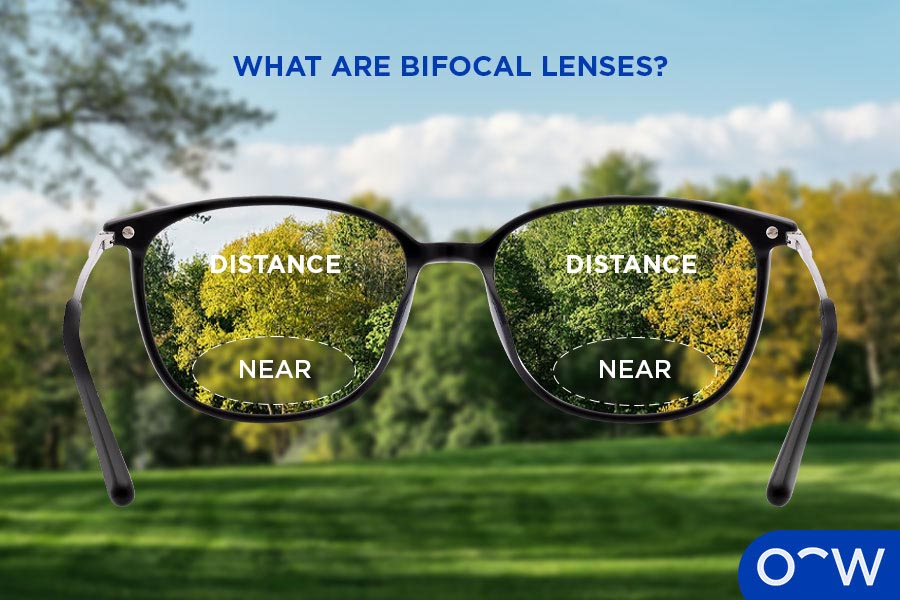
As we navigate through life, our bodies undergo various changes, and our vision is no exception. A common and inevitable shift occurs, leading many to seek specialized eyewear. This natural progression highlights the fundamental need for **multifocal vision** solutions, such as **glasses with bifocals**, to maintain clarity across all distances.
The Inevitable Shift in Vision: Presbyopia's Impact
Vision changes are a normal part of aging. Among these, **presbyopia explained** refers to the gradual loss of your eyes' ability to focus actively on nearby objects. It's a condition that affects nearly everyone, typically beginning in their early to mid-40s, making it increasingly difficult to perform tasks like reading or working on a computer.
Age-Related Farsightedness: A Universal Experience
**Age-related farsightedness** is a direct consequence of presbyopia. The lens inside your eye, which helps to focus light, naturally hardens and loses its flexibility over time. This makes it challenging for the eye to change shape and adjust focus from distant objects to close-up ones, or vice versa.
This experience is nearly universal, impacting millions globally by 2025. Many individuals initially find themselves holding reading materials further away or needing brighter light to see clearly. This initial struggle often signals the need for corrective **bifocal eyeglasses** or other **multifocal lenses types**.
Compromised Eye Accommodation: The Blurry Reality
The core issue behind presbyopia is **eye accommodation problems**. The eye's natural ability to "accommodate," or adjust its focus from far to near, diminishes. This leads to a frustratingly blurry reality where switching focus between different distances becomes a strain, resulting in headaches, eye fatigue, and reduced productivity.
Simple tasks like glancing at a phone after looking across a room become difficult. This constant effort to refocus makes everyday life challenging. For many, finding effective **eyeglasses for near and far vision** becomes a priority to restore comfortable and clear sight.
The Role of Bifocal Glasses in Correcting Vision
To counteract the effects of presbyopia and address these **eye accommodation problems**, **glasses with bifocals** offer a practical and widely adopted solution. These specialized **multifocal lenses types** provide distinct optical powers within a single lens, designed to cater to both close-up and distant viewing needs simultaneously.
They eliminate the inconvenience of constantly switching between different pairs of **reading spectacles** and distance glasses. This integration allows for a seamless visual experience, enhancing overall clarity and comfort for the wearer.
Addressing Near and Far Vision Challenges Simultaneously
One of the primary benefits of wearing **bifocal eyewear** is their ability to address both near and far vision challenges within one lens. The upper portion of the lens is designed for viewing distant objects, such as driving or watching television. Conversely, the lower, smaller segment provides the necessary magnification for close-up tasks like reading, writing, or using a smartphone.
This dual functionality means you don't need multiple pairs of **vision correction glasses**. For many, a common starting point for near vision correction is often with 1.75 reading glasses, especially when dealing with tasks like reading fine print or viewing digital screens. These provide a simple, effective solution for daily near-vision demands.
Basic Principle: Dual Optical Powers for Vision Correction
Understanding **How do bifocal lenses work?** involves grasping their fundamental design: dual optical powers. Traditional **bifocal glasses** feature a clear, distinct line separating the two optical zones. The upper segment is ground for distance vision, while the lower segment, often shaped like a D or a half-moon, contains the added power required for near vision.
This ingenious design provides distinct and immediate transitions between focal points. It allows wearers of these **dual-focus lenses** to easily shift their gaze from a distant object to a nearby book simply by moving their eyes. This principle revolutionized **vision correction** for presbyopia, offering a straightforward solution for **near and far vision** needs.
【The Adjustment Period: Navigating Life with Bifocal Glasses】

After understanding the essential role of **glasses with bifocals** in correcting **presbyopia**, the next natural question for many new wearers is about the adjustment process. While highly effective, transitioning to **multifocal lenses** can initially present a unique set of challenges. This phase is crucial for ensuring long-term comfort and optimal vision with your new **dual-focus spectacles**.
Initial Disorientation and Cognitive Adaptation
When you first start wearing **bifocal eyewear**, it's common to experience a period of initial disorientation. Your brain, accustomed to a single focal plane or switching between different pairs of glasses, now needs to adapt to two distinct optical zones within one lens. This learning curve is a normal part of the process, and understanding it can help mitigate any frustration.
"Retraining Your Brain": The Psychological Aspect of Eyewear Adjustment
Adapting to **split-lens spectacles** is often described as "retraining your brain." Your visual system must learn to interpret and integrate the distinct images from the distance and near segments. This involves a psychological adaptation where your brain learns to automatically select the correct focal point based on your visual task. It's a testament to the brain's incredible plasticity.
Initially, you might find yourself consciously thinking about where to look through the lens. However, with consistent use, this process becomes second nature, allowing for seamless transitions between near and far vision. This period of adaptation is essential for achieving true **eyewear comfort and fit**.
Overcoming Perceptual Quirks: Sideways Gaze and Depth Perception
One common perceptual quirk new users of **bifocal glasses** encounter is the distorted view when looking through the lower, near-vision segment at distant objects, or a sensation of objects jumping when shifting gaze. This can also affect **depth perception**, making stairs or uneven surfaces feel unfamiliar. This is due to the abrupt change in optical power at the segment line.
To overcome this, it's advisable to consciously look *through* the correct part of the lens. For distant viewing, ensure you're using the upper segment. When looking down, for instance, walking down stairs, try to tilt your head slightly to use the distance portion rather than looking through the reading segment, which can cause a "swim" effect.
Practical Strategies for Enhanced Comfort and Usage
Successfully adapting to **bifocal eyeglasses** requires a combination of patience and practical strategies. By incorporating a few simple habits into your daily routine, you can significantly enhance your **visual comfort** and accelerate the adjustment period. This proactive approach will help you maximize the benefits of your new **vision correction glasses**.
Mastering Your Gaze: Top for Distance, Bottom for Close-Up
The fundamental rule for **bifocal glasses** is to master your gaze: the top portion is for distance, and the bottom for close-up. When looking at objects across a room or driving, keep your head level and look through the upper part of your **bifocal lenses**. For reading, texting, or working on a computer, simply drop your eyes to look through the lower, magnified segment.
Avoid moving your head up and down excessively; instead, learn to move just your eyes to switch between focal points. This precise use of **dual optical powers** will become intuitive with practice, making your **eyeglasses for near and far vision** incredibly effective.
Cultivating Patience: A Gradual Adaptation Process
The most important strategy is to cultivate patience. Adjusting to **glasses with bifocals** is a gradual adaptation process that varies for everyone. While some people adapt within a few days, others might take a couple of weeks. During this time, minor headaches or eye strain are possible as your eyes and brain learn to work together with the new **multifocal lenses types**.
Wear your **bifocal spectacles** as much as possible, especially during activities where you would naturally use them, such as reading and viewing distant objects. Consistent wear helps your brain normalize the experience. If discomfort persists beyond two to three weeks, consult your eye care professional to ensure the prescription and **eyewear comfort and fit** are correct.
【Beyond Traditional: The Future of Vision Correction Technology】
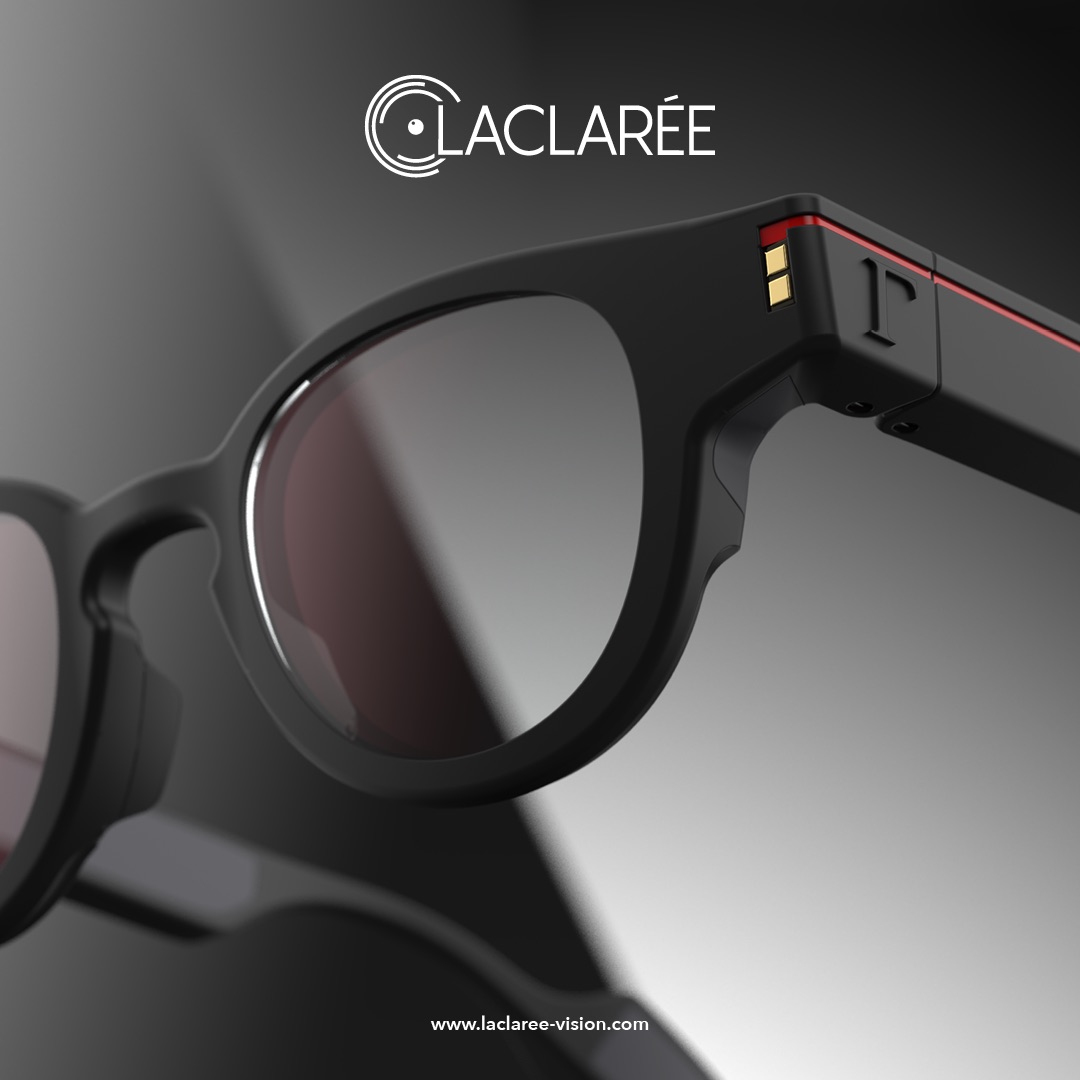
While traditional **glasses with bifocals** have provided effective solutions for **presbyopia** for centuries, the rapid advancement in optical technology is paving the way for revolutionary alternatives. As we look towards 2025 and beyond, innovation aims to offer more seamless, dynamic, and integrated **vision correction glasses** that transcend the limitations of conventional **multifocal lenses**. This evolution promises enhanced comfort and adaptability for diverse visual needs.
Comparing Multifocal Lens Types
To fully appreciate the future, it's essential to understand the current landscape of **multifocal lenses**. Beyond the classic **dual-focus spectacles**, other advanced options have emerged to address varying degrees of **age-related farsightedness** and **eye accommodation problems**. Each type offers distinct visual experiences, catering to specific user preferences and lifestyles.
Fixed vs. Seamless Transitions: Bifocal vs Progressive Lenses
The primary distinction in **multifocal lenses types** lies between bifocal and progressive designs. Traditional **bifocal eyeglasses** feature two distinct optical powers, separated by a visible line. The upper segment corrects distance vision, while the lower segment provides magnification for near tasks. This clear division makes it easy for some users to switch between focal points, offering reliable **eyeglasses for near and far vision**.
In contrast, progressive lenses, often called "no-line multifocals," offer a seamless transition between multiple optical powers. They gradually change power from distance at the top to intermediate in the middle, and finally to near vision at the bottom. This design eliminates the visible line, offering a more aesthetic appearance and a natural continuum of vision, though it may require a longer adjustment period due to peripheral distortion. Both aim to provide comprehensive **vision correction**, but the user experience differs significantly.
Limitations of Conventional Prescription Eyeglasses for Eye Accommodation Problems
Despite their effectiveness, conventional **glasses with bifocals** and even progressive lenses still present certain limitations, particularly concerning dynamic visual tasks and **eye accommodation problems**. The fixed nature of their optical zones means wearers must constantly adjust their head position to find the correct focal point. This can lead to neck strain, especially during prolonged computer use or activities requiring frequent shifts in gaze.
Moreover, the "swim effect" or distortion in peripheral vision, common with progressive lenses, can be challenging for some individuals. For tasks like working on multiple screens or engaging in sports, these limitations can hinder optimal performance and **visual comfort**. While useful, these solutions are static; they don't actively adapt to the eye's natural, dynamic accommodation process. For specific tasks requiring closer reading, many find that dedicated blue light reading glasses can offer focused relief, minimizing eye strain from digital screens, even if they don't solve the full spectrum of **multifocal lenses types** challenges.
The Advent of Smart Glasses: A Dynamic Alternative
Looking beyond traditional forms of **dual-focus spectacles**, the advent of smart glasses represents a significant leap forward in **non-bifocal vision solutions**. These innovative devices integrate cutting-edge technology directly into eyewear, offering dynamic and adaptive visual correction. They are poised to redefine how we perceive and interact with our world, moving away from static lenses to a responsive optical experience.
How Liquid Lenses Redefine Focus Through Eyeglass Technology
At the heart of many advanced smart glasses is the concept of liquid lenses. Unlike traditional glass or plastic lenses with fixed curves, liquid lenses use electrical currents or other stimuli to change their shape and, consequently, their focal length. This allows for real-time, dynamic adjustments to vision, effectively creating **digital bifocal lenses** or even continuously variable focus. Imagine a lens that automatically shifts its power as you look from your phone to a distant billboard, eliminating the need for head tilting or finding the "sweet spot" in your **split-lens spectacles**.
This technology holds immense promise for overcoming the limitations of conventional **glasses with bifocals**. It can provide truly adaptive **eyeglasses for near and far vision**, responding instantly to the wearer's visual needs without any visible segments or uncomfortable transitions. The potential for personalized and precise **vision correction** is immense, moving towards a future where your eyewear actively works with your eyes.
Real-time Adjustment and Digital Integration for Non-Bifocal Vision Solutions
Beyond just dynamic focus, the next generation of smart glasses offers real-time adjustment and digital integration, presenting comprehensive **non-bifocal vision solutions**. These devices can incorporate sensors to track eye movements, pupil dilation, and even ambient light conditions, automatically fine-tuning the lens power for optimal clarity. Some concepts even allow users to manually adjust their prescription via a smartphone app, providing unprecedented control over their **vision correction**.
Furthermore, smart glasses can integrate digital overlays, augmented reality (AR) capabilities, and connectivity features. This means they could display notifications, navigation instructions, or even health data directly in your field of vision, enhancing utility beyond simple sight correction. For athletes, for example, advanced eyewear like the Kapvoe RED Photochromic Cycling Sunglasses are already offering specialized features like photochromic lenses that adapt to light conditions, protecting eyes while enhancing visibility, providing a glimpse into how specialized **eyewear comfort and fit** can meet specific activity demands. As these technologies mature, they promise to offer highly sophisticated, personalized, and truly dynamic **smart glasses alternatives** for addressing **presbyopia** and other visual challenges in 2025 and beyond.
【The Horizon of Eyewear: Innovations and Considerations】

As we move past 2025, the conversation around **vision correction glasses** extends far beyond traditional **glasses with bifocals**. The future promises eyewear that is not only highly functional but also integrates seamlessly into daily life, addressing issues of design, comfort, and personalized visual experiences. This evolution signifies a significant leap in how we approach **age-related farsightedness** and other common vision challenges.
Evolving Design and User Experience
The next generation of eyewear is set to transform not just how we see, but also how we look and feel while wearing our **vision correction glasses**. A major focus is on eliminating the bulky appearance often associated with traditional **split-lens spectacles** and enhancing the overall user experience. The goal is to make advanced **multifocal lenses** as aesthetically pleasing as they are technologically sophisticated, ensuring optimal **eyewear comfort and fit**.
Tackling Bulk and Enhancing Aesthetics in Modern Eyewear
Traditional **dual-focus spectacles** often come with noticeable thickness, especially when incorporating high prescriptions or multiple segments. However, advancements in **bifocal lens materials** and frame design are rapidly changing this perception. Modern **vision correction glasses**, particularly those utilizing emerging smart technologies, are designed to be remarkably lightweight and sleek. This is achieved through innovative materials for both the frames and the "lenses" themselves, which might include thin electro-active layers or liquid lens systems that remove the need for thick, fixed glass.
The integration of technology is becoming increasingly subtle. Instead of obvious components, smart eyewear aims to hide its sophisticated mechanisms, making them indistinguishable from fashionable everyday frames. This focus on streamlined aesthetics ensures that users do not feel weighed down or conspicuous, thereby enhancing both the visual appeal and the overall **eyewear comfort and fit**. The aim is to make sophisticated **non-bifocal vision solutions** blend seamlessly with personal style.
The Promise of Future Accessibility and Practicality in Vision Correction
Looking ahead, the promise of future eyewear lies in its enhanced accessibility and practicality. Dynamic **vision correction glasses**, leveraging concepts like **digital bifocal lenses**, are designed to simplify the user experience dramatically. Imagine **eyeglasses for near and far vision** that automatically adjust their focus as you shift your gaze, eliminating the need to constantly tilt your head or search for the right segment, a common challenge with traditional **glasses with bifocals**. This real-time adaptability directly addresses dynamic **eye accommodation problems** and simplifies how users interact with their environment.
These **non-bifocal vision solutions** also promise greater integration into various aspects of daily life. From self-adjusting prescriptions to integrated digital overlays that provide information on demand, future eyewear will be more than just a tool for seeing; it will be an intuitive extension of our senses. This practical evolution ensures that advanced vision solutions are not just for early adopters but for everyone seeking seamless, adaptable **vision correction**.
Informed Choices in Modern Vision Correction
As the landscape of **multifocal lenses types** expands, making informed choices becomes paramount. It's no longer just about **understanding your eye prescription** in terms of fixed powers, but also about appreciating the dynamic capabilities of new technologies and how they align with individual needs and lifestyles. The goal is to empower consumers to select the optimal solution for their **presbyopia** or other visual requirements.
Lifetime Prescription Management: A New Paradigm with Digital Bifocal Lenses
One of the most revolutionary aspects of future **vision correction glasses** is the potential for dynamic prescription management. With **digital bifocal lenses**, the concept of a fixed, annual prescription could become a thing of the past. These advanced **dual-focus spectacles** can potentially store multiple lens powers and adjust them on the fly, either automatically based on eye tracking and context, or through a user-controlled interface like a smartphone app. This means that as your vision subtly changes over time due to **age-related farsightedness**, your eyewear can adapt instantly without the need for new physical lenses.
This paradigm shift offers unparalleled convenience and precision. It eliminates the hassle of frequent trips to the optometrist for minor prescription tweaks and ensures that your **eyeglasses for near and far vision** are always perfectly tuned to your current needs. It transforms **understanding your eye prescription** from a static measurement into a dynamic, adaptable process, making **vision correction** a seamless and continuous experience. For those looking for everyday optical solutions, exploring a range of options can be beneficial, such as finding stylish reading glasses for women that offer both clarity and aesthetic appeal, even if they don't feature dynamic digital adjustments.
Weighing Benefits: Fixed vs. Dynamic Solutions for Eyewear Comfort and Fit
When considering **vision correction glasses**, individuals now face a choice between established fixed solutions, such as traditional **glasses with bifocals** or progressive lenses, and emerging dynamic options like smart glasses with **digital bifocal lenses**. Fixed solutions offer a proven, cost-effective approach with distinct visual zones, which some users prefer for their predictability despite potential **eye accommodation problems**. They are reliable and have a long history of successful use.
Dynamic solutions, while potentially more expensive initially, offer unmatched adaptability and advanced features. They provide continuous, seamless focus across all distances, reducing strain and offering superior **eyewear comfort and fit** during varied activities. For specialized needs, such as intense outdoor sports, the benefits of dynamic or purpose-built eyewear are clear. For instance, the Kapvoe RED Photochromic Cycling Sunglasses are engineered with photochromic technology, allowing lenses to automatically adjust to changing light conditions, ensuring optimal visibility and protection for cyclists. This adaptability is crucial for performance and comfort, embodying the dynamic responsiveness that future general-purpose **multifocal eyewear** aims to provide. The choice ultimately depends on lifestyle, budget, and the desire for cutting-edge technology versus traditional, dependable **split-lens spectacles**.
Embracing Clear Vision: Your Guide to Multifocal Eyewear
As we’ve explored, the journey through presbyopia is a universal one, marked by the inevitable shift in our eyes' ability to accommodate across different distances. From the fundamental mechanics of traditional glasses with bifocals, designed to seamlessly integrate near and far vision, to the exciting horizon of dynamic smart eyewear, solutions are continually evolving to meet diverse visual needs.
We’ve delved into the initial adjustment period for glasses with bifocals, offering practical tips for overcoming common perceptual quirks and ensuring optimal comfort and fit. Mastering your gaze and cultivating patience are key to successfully adapting to these powerful tools for vision correction. Furthermore, our discussion extended to advanced reader sunglasses and the exciting realm of smart glasses, which promise real-time adjustments and digital integration, moving beyond static lens solutions.
The future of eyewear, particularly as we move past 2025, emphasizes not only enhanced functionality but also sleek design, superior eyewear comfort and fit, and dynamic prescription management. Technologies like liquid lenses and digital bifocals are poised to revolutionize how we experience vision correction, offering unparalleled adaptability and convenience. Whether you opt for dependable traditional reader sunglasses or anticipate the advancements of smart alternatives, understanding your options empowers you to make an informed choice that aligns with your lifestyle and visual requirements.
Ultimately, the goal is clear: to provide uncompromised clarity and comfort, ensuring that aging eyes can continue to enjoy the world with precision and ease. Embrace the innovations available and reclaim your focus, both near and far.
``` MjAyNTA4MTUxMDQ1NDU 当前显示MjAyNTA4MTUxMDQ1NDU。

评论
发表评论