Introduction to Virtual Try-On
Are you struggling to get your website noticed online? Understanding effective SEO strategies is crucial for improving your visibility and attracting organic traffic. This guide provides the essential steps to optimize your site, helping you achieve higher search engine rankings and connect with your target audience using Our SEO Tool to deliver core value.
【Introduction to Virtual Try-On】

What is Virtual Try-On for Glasses?
Definition and Explanation:
Virtual Try-On (VTO) for glasses is a cutting-edge technology that transforms the way people shop for eyewear online. It allows you to see how different eyeglass frames look on your face without needing to be physically present in a store. This digital solution provides a realistic simulation right from your computer or smartphone.
This innovative technology works by utilizing advanced augmented reality (AR) and face mapping techniques. Your device's camera captures your face, and the software then overlays digital models of glasses onto your live image or a photo. The face mapping ensures the frames are scaled and positioned correctly according to your facial features.
Essentially, virtual try-on lets you perform a digital fitting. You can browse a wide selection of frames and quickly preview how each style complements your face shape and personal look, making the process of trying on glasses virtually both efficient and insightful. It bridges the gap between online convenience and the need to see how frames appear before purchasing.
The Rise of Online Glasses Shopping and Virtual Try-On
Why is it becoming increasingly popular?
The popularity of buying glasses online has surged dramatically, and Virtual Try-On (VTO) is a major driving force behind this trend in 2025. Consumers are increasingly seeking more convenient and accessible ways to purchase essential items like eyewear. Online shopping delivers exactly that.
One key reason is the sheer convenience of shopping from home. You can explore thousands of frames, compare styles, and make a purchase at any time of day or night, without leaving your house. This level of accessibility is unmatched by traditional brick-and-mortar stores.
Furthermore, online retailers typically offer a much wider selection of frames than most physical stores. This vast inventory means you have more options to find the perfect pair that matches your style and needs. VTO helps manage this abundance of choice by allowing you to quickly filter and preview how different frames look on you, making the browsing experience much more effective.
Cost savings are another significant factor driving people to buy glasses online. Online stores often have lower operating costs, which can translate into more competitive pricing for customers. Getting great value for your eyewear purchase is a strong incentive for many shoppers today.
The integration of Virtual Try-On technology into online platforms has dramatically enhanced the overall experience. It directly addresses the primary hesitation many people had about buying glasses sight unseen. By enabling trying on glasses virtually, VTO provides the confidence needed to make a purchase decision online, ensuring the frames look good and fit well aesthetically. This advancement is particularly helpful when prescription prescription glasses online, as fit and appearance are crucial for daily wear.
If you're looking to experience the benefits of trying on glasses virtually and explore a wide range of styles from the comfort of your home, visit our online selection. trying on glasses virtually allows you to easily preview frames on your face, helping you find your perfect pair with confidence and convenience.
【How Virtual Try-On Technology Works】
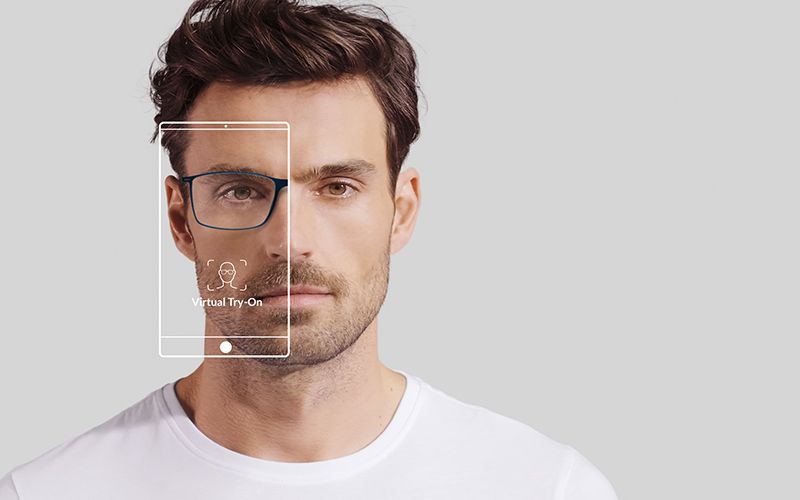
Virtual try-on for glasses might seem like magic, but it's built on sophisticated technology. Understanding how it functions helps demystify the process of trying on glasses virtually and highlights its accuracy.
The Magic Behind the Mirror: Face Mapping Technology
Explanation of Face Mapping:
At the core of a realistic virtual try-on experience is advanced Face Mapping Technology. This process involves scanning your face to create a detailed digital representation, often a 3D model.
The face mapping system identifies key facial features with precision. This includes measuring the distance between your pupils, the width of your nose bridge, and analyzing your overall face shape and structure.
This detailed mapping is crucial. It ensures that when virtual glasses are overlaid onto your image, they are scaled correctly and positioned accurately on your face, just like they would be in real life. This is essential for the virtual eyewear fitting to feel realistic.
Augmented Reality (AR) Integration
How AR Overlays Frames:
Once the face is mapped, Augmented Reality (AR) takes over. AR technology integrates digital information – in this case, 3D models of eyeglass frames – into your real-world view, captured by your device's camera.
AR overlays the selected eyeglass frames directly onto your live image or a photo you've uploaded, showing you how they look in real-time. This use of AR technology in retail is transforming the shopping experience.
The integration allows you to move your head and see how the virtual glasses appear from different angles. Some advanced systems even simulate how frames look under various lighting conditions, providing a comprehensive virtual try-on experience.
Step-by-Step Guide to Using Virtual Try-On
A Practical Tutorial:
Using Virtual Try-On is designed to be straightforward and user-friendly, bringing the optical store fitting room experience into your home in 2025. Here’s a typical guide on how to start trying on glasses virtually:
- Find a VTO App or Website: Look for online glasses retailers or dedicated apps that prominently offer a
virtual try-on feature. Many leading eyewear sites now include this. - Enable Camera Access: You will need to grant the app or website permission to use your device’s camera. This is how it captures your face for the
online try-on. - Face the Camera: Position yourself clearly within the frame displayed on your screen. Ensure good lighting for the best results.
- Browse and Select Frames: Explore the retailer's catalog. Choose any frame style, color, or material that interests you. If you are looking for stylish yet affordable glasses frames, this step is perfect for trying on many options quickly.
- Virtually Try Them On: Click or tap the designated button to see the selected frames overlaid onto your face in real-time.
- Save and Share: Most platforms allow you to capture photos or even short videos of yourself wearing the virtual frames. You can save these images or share them with friends and family for opinions before making a decision.
- Experience Enhanced Features: Retailers like Warby Parker, for instance, have leveraged features like the TrueDepth camera on iPhone X or later models to offer even more precise AR try-on experiences.
By following these steps, trying on glasses virtually becomes an efficient and enjoyable part of your online eyewear shopping journey.
If you're ready to put this technology to the test and see how different styles look on you, explore online platforms that offer this service. trying on glasses virtually provides a convenient way to find your perfect pair from home.
【Benefits of Trying on Glasses Virtually】
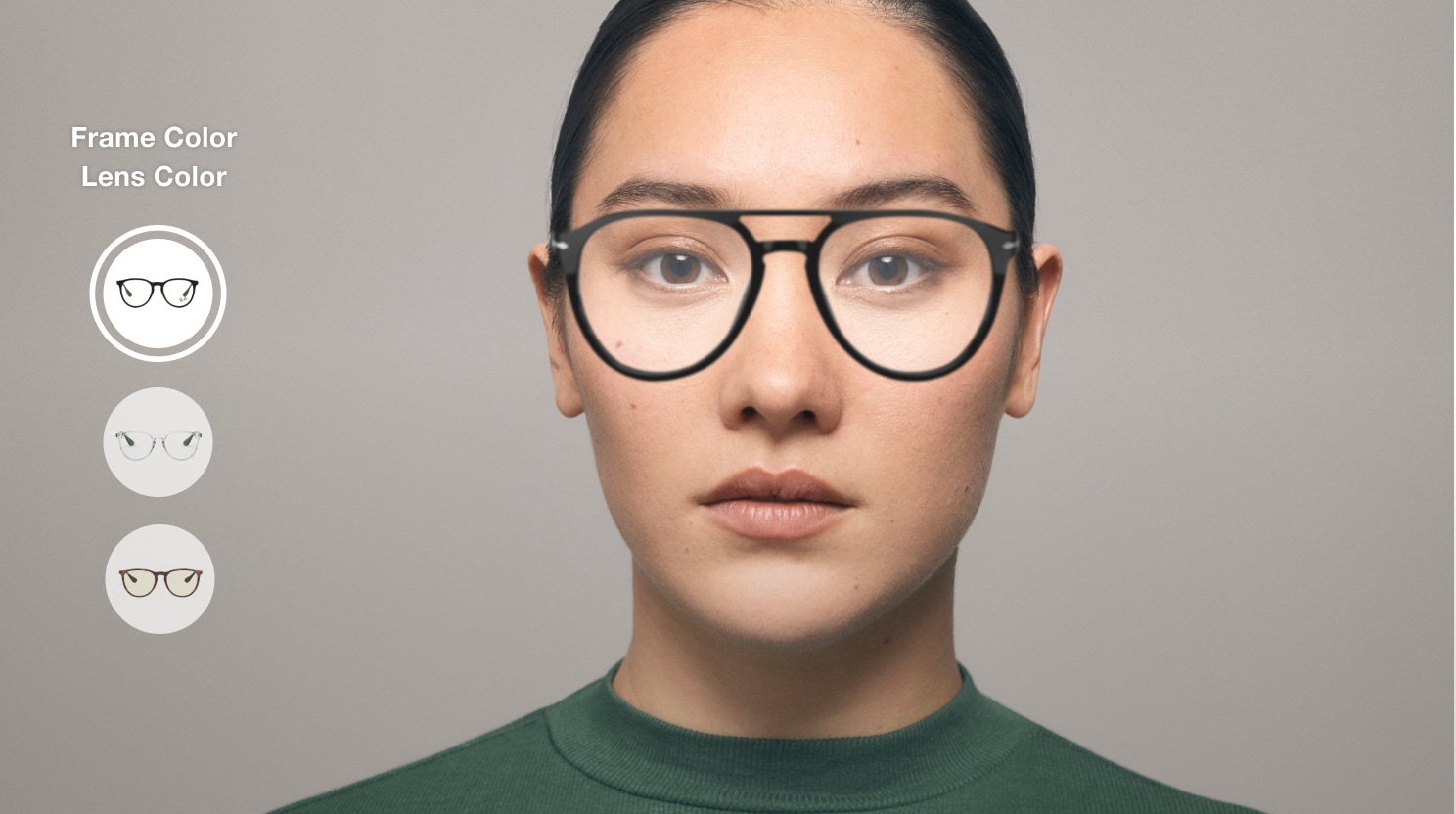
Trying on glasses virtually offers numerous advantages over traditional methods, revolutionizing the eyewear shopping experience in 2025. These benefits cater directly to the convenience, selection, and decision-making needs of online shoppers.
Convenience and Time-Saving
Skip the Trip to the Store:
One of the most significant benefits is the unparalleled convenience. You can completely eliminate the need to visit multiple physical optical stores. This saves valuable time and effort spent on commuting and waiting.
The virtual try-on technology brings the eyewear store directly to your home. You can browse and shop at your own pace, any time of day or night, fitting the experience into your busy schedule. It’s shopping from home made easy.
Wider Selection and Customization
Explore More Options:
Online retailers typically offer a much wider selection of eyeglass frames than brick-and-mortar stores. Trying on glasses virtually grants you access to this vast inventory instantly. You can explore thousands of frame styles, colors, materials, and brands without physical limitations.
This wider selection allows you to truly experiment with different looks and find the perfect pair that complements your face shape and personal style. Whether you're interested in classic aviators, modern cat-eye frames, or exploring options like blue eyeglass lenses for screen time, virtual try-on helps you visualize them all.
The ability to virtually customize by seeing different tints or lens types on your face enhances the customization aspect of online shopping.
Visual Confidence and Informed Decisions
See Before You Buy:
Perhaps the most crucial benefit of virtual try-on is the visual confidence it provides. The technology offers a realistic preview of how the glasses will look on your face from various angles. This is a massive step up from simply guessing based on product photos.
By virtually fitting glasses, you can make truly informed decisions. You can easily compare how different frames suit your features, reducing the risk of buying glasses that don't fit well or flatter your appearance. It helps you see before you buy and minimizes buyer's remorse.
Share and Get Feedback
Crowdsource Your Style:
Trying on glasses virtually often allows you to capture photos or short videos of yourself wearing the virtual frames. This feature makes it incredibly easy to share your looks with friends and family.
Getting feedback and opinions from others can be invaluable when making a style decision. You can crowdsource your style choices, gathering input to help you select the most flattering and confidence-boosting frames before finalizing your purchase.
If you're ready to experience these benefits and find your next pair of glasses with ease, exploring platforms that facilitate trying on glasses virtually is a smart move. It offers a convenient, comprehensive, and confident way to shop for eyewear in 2025.
【Limitations of Trying on Glasses Virtually】
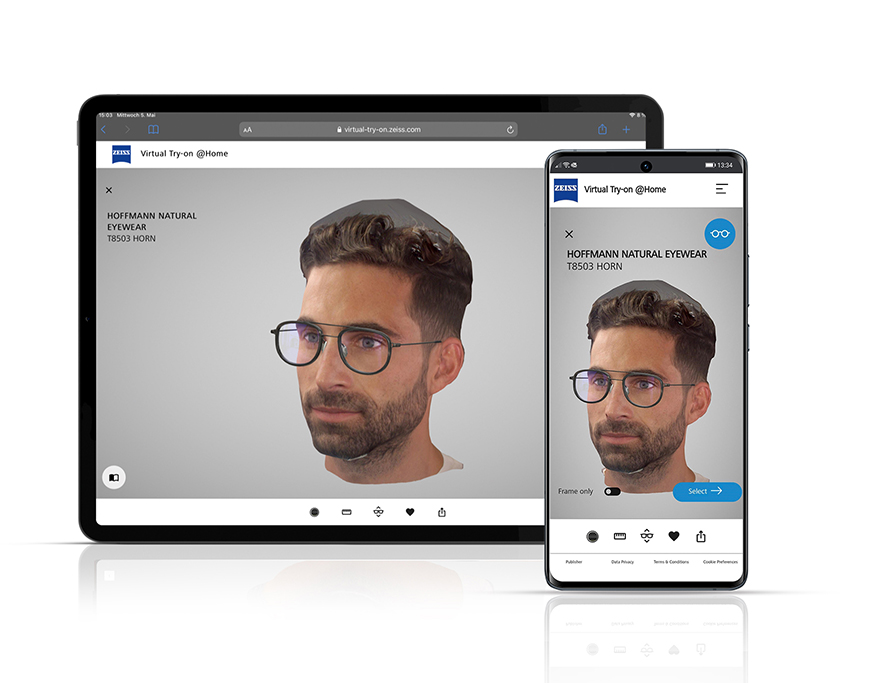
While the benefits of trying on glasses virtually in 2025 are significant, it's also crucial to understand the technology's limitations. Knowing these drawbacks helps set realistic expectations and ensures a more informed online shopping experience for eyewear.
Accuracy Concerns: Are Virtual Glasses Accurate?
A primary question for anyone considering trying on glasses virtually is about its accuracy. How true is the virtual representation to the real product?
Potential for Distortion:
One limitation is the potential for distortion. Virtual try-on technology, while advanced, isn't 100% accurate. The way the frames appear on your screen can be influenced by several factors.
Variations in your device's screen resolution, the quality of your camera, and even the lighting conditions in your room can affect how the virtual glasses look on your face.
This means the frames might appear slightly different in size, color, or overall shape compared to the actual physical product you receive. It's a realistic preview, but not always an exact replica.
Lack of Physical Fit Assessment
Seeing how glasses look is just one part of finding the perfect pair. The physical fit is equally, if not more, important.
The Feel Factor:
Crucially, virtual try-on cannot replicate the physical feeling of wearing glasses. It provides no information about how comfortable the frames will be on your face.
Factors such as the weight of the eyeglass frames, how they sit on your nose bridge, and the length and curve of the temples are all critical for comfort. These elements can only truly be assessed by trying on the glasses in person.
The virtual fitting helps with aesthetics but doesn't tell you if the eyewear will pinch, slip, or cause discomfort over time.
Dependence on Technology
Accessing the benefits of virtual try-on relies entirely on having the right technological setup.
Tech Troubles:
The virtual try-on experience requires a compatible device, usually a smartphone or computer, equipped with a functioning camera and a stable internet connection.
Users with older devices, outdated browsers, or slow internet access may encounter technical issues. This could include the feature not working correctly, lagging, or being unavailable altogether, limiting who can effectively utilize this online try-on method.
Warby Parker Virtual Try-On as Step One
Despite these limitations, virtual try-on remains an incredibly useful tool, often serving as a valuable first step in the online eyewear shopping process.
Narrowing Down Options:
Many online retailers, including those offering a wide selection of best online prescription glasses, integrate virtual try-on as a filtering mechanism. For instance, some models, like the Warby Parker virtual try-on app, are designed to help you initially try on glasses virtually.
This step allows you to quickly narrow down your options from a vast online catalog to a smaller selection of frames that you like the look of virtually. From there, you might utilize home try-on programs, like Warby Parker's, to physically try on those selected frames and assess the crucial "feel factor" before making your final decision on which eyeglasses to purchase.
Understanding both the impressive capabilities and the inherent limitations of virtual try-on is key to leveraging it effectively when shopping for eyewear online in 2025. It's a powerful visual aid, but ideally, it should be used in conjunction with other methods, or with an understanding of the potential need for adjustments or returns based on physical fit. To explore platforms that offer features like trying on glasses virtually to get started with your online eyewear search, you can visit this link: virtual eyewear try-on.
【Virtual Try-On vs. Home Try-On Programs】
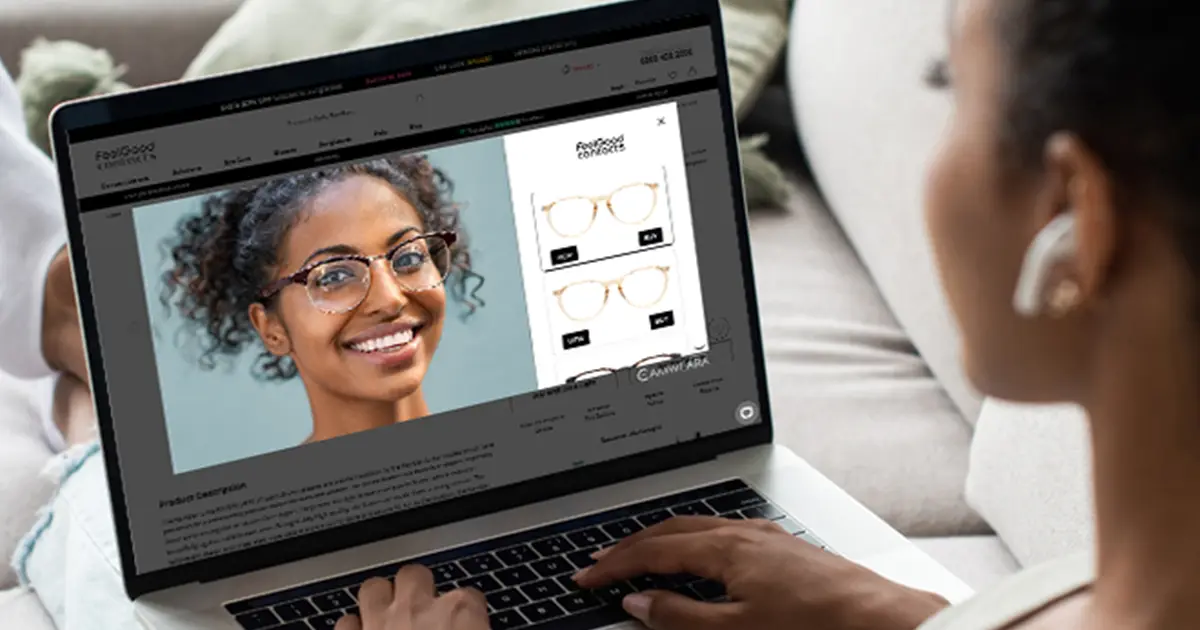
Having explored the capabilities and limitations of trying on glasses virtually in 2025, it's essential to understand how this technology fits into the broader landscape of online eyewear shopping options. Often, the virtual try-on experience is compared with traditional home try-on programs. While both aim to bridge the gap between online shopping and the need to see frames on your face, they offer distinct advantages and serve different purposes in the purchasing journey.
Virtual Try-On Glasses VS Home Try-On
Understanding the fundamental differences between virtual try-on glasses and home try-on services is key to utilizing each effectively. They address different aspects of selecting eyewear online.
Key Differences:
Let's break down the core distinctions between these two methods of trying on glasses before you commit to a purchase.
Virtual Try-On: Digital simulation, instant results, convenient, but limited accuracy.
Trying on glasses virtuallyuses augmented reality or digital rendering to overlay avirtual simulationofeyeglass framesonto an image or live video of your face. The biggest advantage here is speed and convenience. You can instantlytry ondozens, or even hundreds, of different styles from anywhere with an internet connection and a compatible device in 2025. However, as previously discussed, theaccuracycan be influenced by technology and lighting, and it provides no information about the physical fit or feel. It’s a visual aid for initial styling.Home Try-On: Physical frames, accurate fit assessment, requires shipping time, and provides a truer sense of fit and comfort than VTO. Home try-on programs involve selecting a few physical pairs of
framesfrom an online retailer and having them shipped directly to your home. This allows you to physically handle theglasses, examine their quality up close, and most importantly, try them on to assess thephysical fitandcomfort. You can wear them around the house, see how they feel on your nose and behind your ears, and get feedback from others. The drawback is that this process takes time due to shipping, and you are usually limited to a smaller number of frames compared tovirtual try-on. This method offers a much truer sense of how thespectacleswill feel and look in reality, going beyond just the visual.
When to Use Each Option
Choosing between virtual try-on eyewear and a home try-on service isn't necessarily an either/or situation. In 2025, the most effective approach for shopping for online eyewear often involves using both methods in combination.
Making the Right Choice:
Knowing when and how to deploy each try-on method can significantly improve your experience and confidence when buying glasses online.
Use virtual try-on for initial exploration and style selection. Start with
trying on glasses virtually. Use this powerful tool to quickly browse through a vast catalog offrames. See how different shapes, colors, and styles look on your face visually. This is excellent fornarrowing down your optionsfrom hundreds to a manageable handful (perhaps 3-5 pairs). It helps you identify frames you like the aesthetic of without any commitment or waiting. This is the ideal first step for finding potentialeyewear.Use home try-on for final fit assessment and comfort verification. Once you have your narrowed-down list of potential
eyeglass framesbased on thevirtual fitting, order those specific physical frames through a home try-on program if available. This is where you assess the crucialphysical fit. Do they pinch? Are they too heavy? Do they sit correctly on your nose? Do the temples feel comfortable? This step is vital for ensuring theeyeglassesare not just aesthetically pleasing but also comfortable for all-day wear. It helps you make the final decision between the finalists from your virtual selection and is key to finding the best online spectacles that truly suit you in terms of both look and feel.
Combining the speed and breadth of choice offered by trying on glasses virtually with the physical accuracy and comfort assessment of a home try-on program provides a comprehensive and effective way to find the perfect pair of online glasses in 2025. To begin your journey by exploring different frame styles using virtual technology, visit this link: online glasses try-on
【Top Apps and Retailers Offering Virtual Try-On】
As we move further into 2025, the ability to explore eyewear options from the comfort of your home has become increasingly sophisticated. Trying on glasses virtually has transitioned from a niche feature to a mainstream tool offered by numerous online retailers and dedicated apps. This technology allows potential buyers to see how different frames might look on their face before committing to a purchase or even a home try-on program.
Best Virtual Try On Glasses App
Finding the right platform is key to a successful virtual try-on experience. Many companies have invested heavily in developing robust virtual fitting tools, leveraging augmented reality (AR) and sophisticated rendering to provide a realistic preview of eyewear styles. These apps and websites make trying on glasses virtually more accessible than ever.
Popular Apps and Platforms:
Several leading online eyewear providers and technology companies offer excellent virtual try-on capabilities in 2025. Each platform brings its own strengths to the table, whether it's a vast selection of frames, user-friendly interfaces, or advanced personalized features designed to help you find the perfect look. Many of these platforms also offer a wide range of options for prescription glasses and sunglasses, integrating the virtual experience with the practical need for corrective lenses or sun protection. This often includes guiding you through the process of providing your prescription details seamlessly within the online shopping journey. You can learn more about finding the right prescription glasses and sunglasses online through this related resource.
Warby Parker: This popular retailer is a pioneer in the online
eyewearspace and offers a highly-regardedvirtual try-onfeature through their mobile app. Their platform is known for its user-friendliness and integrates seamlessly with their extensive catalog of stylish and affordableeyeglass frames. Thevirtual try-onhelps users narrow down their choices before potentially ordering physical frames for their home try-on program.Liingo Eyewear: Liingo provides a compelling
virtual mirror glassestool that aims to give a realistic representation of theirframes. They also stand out by offering personalized recommendations. Based on an analysis of your face shape and specified preferences, their system suggestsspectaclesthat might be a good visual match. This adds another layer of guidance when you aretrying on glasses virtually.Ray-Ban: An iconic name in
eyewear, Ray-Ban also allows customers tovirtually try onmany of their famous styles directly on their website or through their platform. This feature is essential for exploring their wide range of bothsunglassesandeyeglassesbefore making a purchase, ensuring you get a sense of how those classic designs will appear on your face using digital tools.
How to Use Warby Parker Virtual Try-On
To illustrate the process of trying on glasses virtually with a popular provider, let's look at the steps involved in using the Warby Parker virtual try-on feature on their app in 2025. This provides a practical example of how these virtual fitting tools function for customers exploring online eyewear.
Step-by-step:
Using the Warby Parker app to virtually try on glasses is straightforward. The process is designed to be intuitive, allowing you to quickly see a wide variety of frames superimposed on your face using augmented reality technology.
Download the App: The first step is to get the "Glasses by Warby Parker" application. Ensure you download it onto a compatible iOS device. The AR-powered
virtual try-onis typically supported on newer iPhone models like the iPhone X or later in 2025 due to the required technology.Enable AR Feature: Once the app is installed, you'll need to ensure the augmented reality feature is enabled. This is usually automatic upon accessing the
virtual try-onfunction, but it relies on the capabilities of your device's camera and processing power to accurately place thevirtual frameson your image.Browse Frames: Navigate through the extensive catalog of
framesavailable within the app. You can browse by style, shape, color, or collection. Select any pair offramesthat catches your eye to proceed to thevirtual try-onview.Activate Virtual Try-On: With a specific pair of
framesselected, activate thevirtual try-on. On compatible iPhones, this involves simply pulling down from the top of the screen while viewing the frame details. This action will open your iPhone’s camera feed, and the app will automatically overlay the choseneyeglass framesonto your live or captured image, showing you how they look as you move your head.Try Different Colors: Many
framestyles are available in multiple colors. While in thevirtual try-onview, you can easily tap on different color swatches provided within the app to instantly see how theglasseslook in alternative hues without leaving the AR view. This feature makes it quick to compare color options whentrying on glasses virtually.
Utilizing tools like these for trying on glasses virtually streamlines the initial selection process, helping you quickly discover styles you like. To start exploring different virtual eyewear options, you can visit websites offering this technology like the one here: explore virtual glasses. This link takes you to a search page where you can begin experimenting with trying on glasses virtually and see various frames digitally fitted to your face.
【The Future of Virtual Eyewear Technology】
As we look ahead in 2025, the technology driving trying on glasses virtually continues to evolve rapidly. The goal is to create an experience that is not only convenient but also incredibly realistic and personalized. These advancements are making virtual fitting an even more integral part of the online eyewear shopping process.
Advancements in AR and AI
The core technologies behind successful virtual try-on are Augmented Reality (AR) and Artificial Intelligence (AI). Both are seeing significant improvements that promise a more sophisticated virtual eyewear experience.
What's Next?
Future iterations of virtual try-on will push the boundaries of realism and utility. These developments are set to make trying on glasses virtually feel almost indistinguishable from trying them on in person.
Improved face mapping accuracy and realism. This means the
virtual frameswill fit your face more precisely and look more like actual physical objects, with realistic textures, shadows, and lighting. The digital representation of your face will become highly detailed, allowing for near-perfect alignment ofvirtual eyewear.Integration of AI-powered style recommendations.
AIis increasingly being used to analyze facial features, head shape, and even preferences gathered from your browsing history. This allows systems to provide highly personalized suggestions foreyeglass framesandsunglasses, acting like a digital stylist to help you find the best match whentrying on glasses virtually.Enhanced customization options, such as virtual lens tinting and coatings. Soon, you'll be able to see how different lens options look virtually. This includes trying on various tints for
sunglassesor seeing the effect of specific coatings like anti-glare or how blue eyeglass lenses might appear in the frame you've chosen. This allows for a completevirtual fittingexperience, seeing the finished product before you buy.
These ongoing enhancements to virtual eyewear technology are set to make finding your next pair of glasses online in 2025 an even more intuitive and satisfying process. To explore platforms incorporating some of these developing features for trying on glasses virtually, you can start here: check out virtual try on options. Clicking this link will take you to a page where you can begin your exploration of various eyewear styles using virtual try-on technology, helping you see how different frames might look on your face.
The Rise of Smart Glasses and AR Integration
Beyond simply trying on physical frames virtually, the technology has implications for the future of eyewear itself. As smart glasses and AR headsets become more common in 2025, virtual try-on technology could become integrated into these devices.
Beyond Traditional Eyewear:
This potential integration marks a significant shift, blending virtual fitting with future wearable technology.
The potential for virtual try-on technology to be integrated into smart glasses and AR headsets. Imagine browsing a catalog of
virtual framesor accessingonline eyewearstores directly through yoursmart glasses,trying ondesigns that appear superimposed over your real-world view. This creates a deeply immersive shopping experience.Android XR smart glasses. Platforms like Android XR are designed to power the next generation of
smart glassesandARdevices. These platforms are ideal environments for developing advancedvirtual try-onapplications, allowing users to seamlessly interact withvirtual eyewearin their field of vision.Provides a seamless and immersive eyewear shopping experience. This level of integration could eliminate the need for separate apps or websites, allowing users to browse and
virtually fit glassesas part of their everydayARenvironment.
Virtual Try-On in Other Industries
The core technology behind trying on glasses virtually is versatile and has found applications in many other sectors beyond eyewear in 2025. These examples highlight the broader impact of virtual fitting and AR technology.
Applications Beyond Eyeglasses:
The principles of overlaying virtual items onto real-world views are being applied across diverse consumer goods.
Virtual try-on technology is also being used in other industries, such as cosmetics, apparel, and accessories. Customers can virtually apply makeup shades, see how clothes fit their digital avatar or body, or
try onjewelry and hats usingARtechnology, mirroring the convenience found invirtual eyewearplatforms.The rise of Wearable AR in Hajj. This demonstrates how
ARandvirtual glassestechnology is moving into practical, large-scale applications that go beyond retail.The Saudi Transport General Authority (TGA) is deploying an advanced version of virtual glasses for the upcoming 1445 Hajj season. This specific initiative involves using
virtualorAR glassesfor purposes like navigation, translation, or providing real-time information to pilgrims, showcasing the diverse utility of the underlyingARandvirtual displaytechnology that powersvirtual try-onapplications.
【Understanding Virtual Try-On Technology】
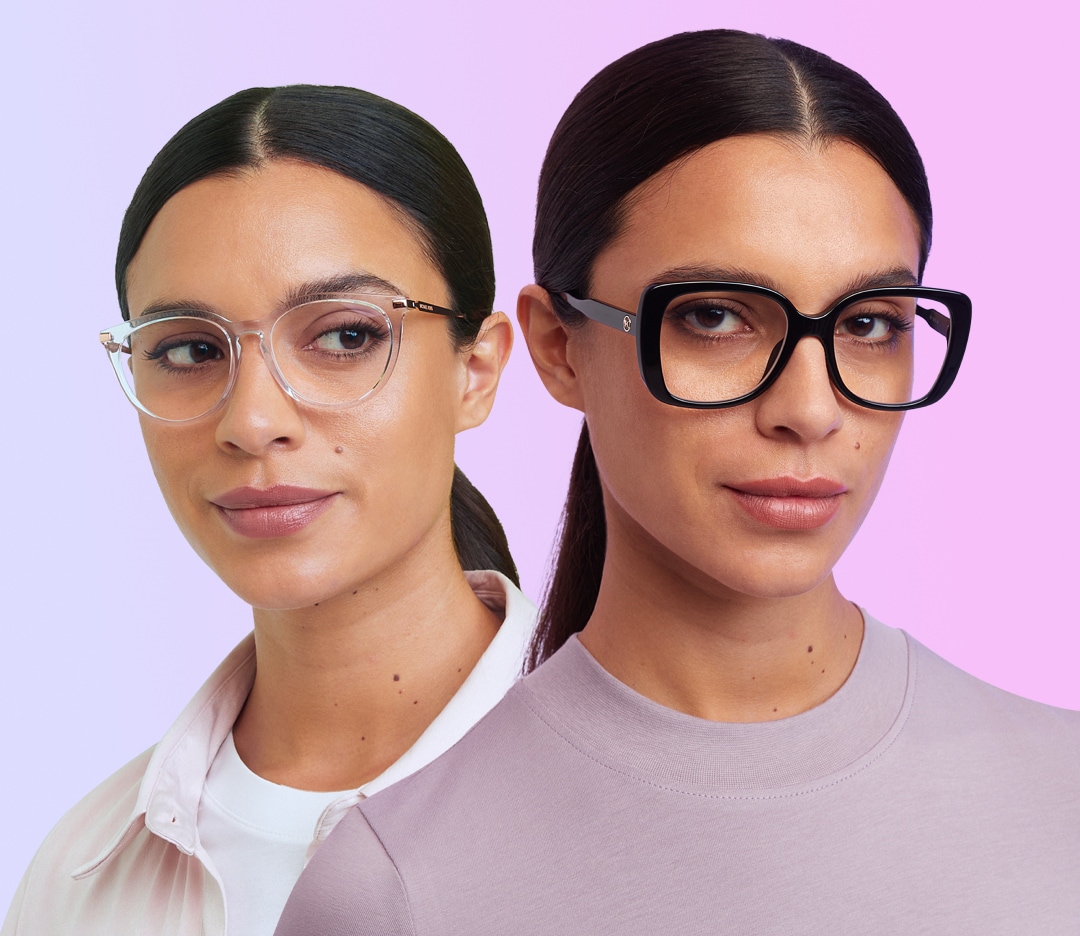
To fully appreciate the future developments discussed previously, it's essential to understand the foundation: what Virtual Try-On Technology is and how it works for glasses. This technology has revolutionized how people shop for eyewear online in 2025, addressing a key barrier: not being able to see frames on your face.
What is Virtual Try-On for Glasses?
At its core, Virtual Try-On for Glasses is a sophisticated application of Augmented Reality (AR). It allows users to see how different eyewear frames look on their face using their computer or smartphone camera.
The system leverages Augmented Reality (AR) to accurately overlay digital models of glasses onto a live image or video feed of the user. It creates a compelling simulation.
This technology offers a simulated experience, allowing potential customers to virtually try on numerous styles without needing to visit a physical store or wait for frames to be shipped for home trials. It's about bringing the fitting room experience online.
Essentially, Virtual Try-On Technology removes the guesswork from buying glasses online, providing a realistic virtual fitting before purchase.
How Does Virtual Try-On Work?
Understanding how virtual try on works reveals the ingenuity behind this convenient feature for online eyewear shopping in 2025. It involves a combination of advanced computational techniques.
The process typically begins with Facial Recognition. Sophisticated algorithms analyze the live camera feed to detect key facial features, such as the eyes, nose, and ears. These algorithms also map the dimensions and contours of the user's face.
Simultaneously, 3D Modeling is crucial. Each pair of eyeglass frames and sunglasses available for virtual try-on is meticulously scanned or designed as a high-quality, accurate 3D model. These digital representations include details like frame thickness, curvature, and texture.
Finally, AR Integration brings these components together. The system combines the live face mapping data with the selected 3D model of the glasses. The AR engine then renders the digital virtual eyewear model and overlays it onto the user's face in the video feed, ensuring it appears correctly scaled and positioned based on the detected facial landmarks. This realistic overlay is how virtual try on works effectively, providing that simulated experience. When looking for the best online prescription glasses, understanding this technology helps you find platforms that offer reliable virtual fitting options. To explore platforms utilizing this technology for trying on glasses virtually and experience how virtual try on works firsthand, you can explore options here: try on glasses virtually. Visiting this page allows you to experiment with the virtual fitting tool, directly demonstrating how different frames appear on your face and simplifying your online eyewear selection process.
【Benefits of Virtual Eyewear Try-On】
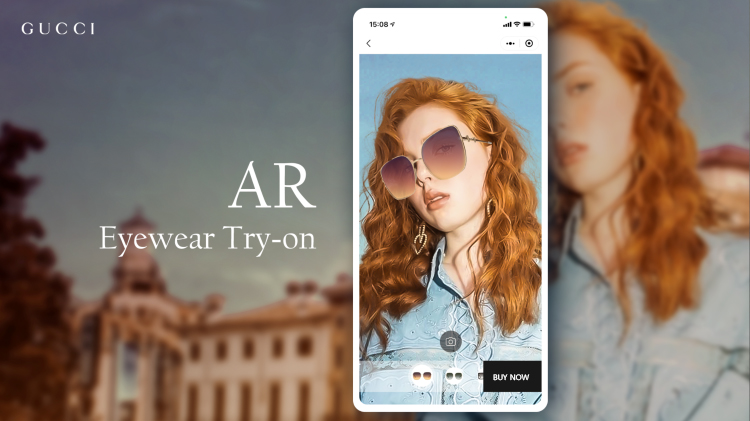
Now that we've explored how virtual try-on technology functions for glasses in 2025, let's delve into the significant benefits it offers to consumers and the online eyewear industry. This feature transforms the process of trying on glasses virtually.
Convenience and Accessibility
One of the most significant advantages of virtual eyewear try-on is the unparalleled convenience it provides. Customers are no longer required to visit a physical brick-and-mortar store to sample different eyeglass frames or sunglasses.
This technology allows users to effortlessly try on glasses from the comfort of their homes. All that's needed is a device with a camera, like a smartphone, tablet, or computer. This brings the fitting room experience directly to them, simplifying the online shopping process for eyewear.
The accessibility is also dramatically improved. The virtual try-on feature is available 24/7 on online eyewear platforms. This offers incredible flexibility for busy individuals who cannot shop during traditional store hours in 2025.
For e-commerce solutions selling eyewear, this is a game-changer. It removes a major obstacle to buying glasses online, making the process as easy as shopping for any other item from home.
Finding the right prescription glasses online requires confidence in the fit and style. Virtual fitting is particularly valuable for prescription eyewear purchasers who need to ensure comfort and vision alignment. To find the best options when considering prescription prescription glasses, exploring platforms that offer reliable virtual try-on is highly recommended.
Improved Shopping Experience
Beyond simple convenience, virtual eyewear try-on significantly improves the online shopping experience. It directly addresses the common concern of not knowing how glasses look on your face when buying online.
Users can visualize how different frames suit their face shapes and skin tones in real-time. This interactive element greatly enhances engagement with the product catalog. It turns browsing into an active discovery process, making virtual try-on a key part of the online eyewear journey.
Exploring countless styles becomes a fun and interactive way to explore eyewear options. Customers are more likely to spend time on the site, trying on many pairs they might not have picked up in a physical store. This reduces guesswork and increases confidence in trying on glasses virtually.
Reduce Return Rates
A major benefit for both customers and retailers is the potential to reduce return rates. When customers can accurately try on glasses virtually before purchasing, they gain a much better idea of what the frames look like on them.
This realistic virtual fitting experience helps customers find the style they love and feel confident about their choice. It minimizes surprises upon delivery. This direct correlation between virtual try on and reduced uncertainty is a key benefit of virtual eyewear try on.
Historically, buying glasses online without virtual try-on often led to returns because the frames didn't suit the customer's face as expected. The virtual try on return rate is generally lower for retailers who implement this technology effectively in 2025.
In 2025, experiencing these benefits firsthand is easy. To start trying on glasses virtually and see how various styles look on you from the convenience of your home, you can explore platforms offering this feature. Visit this link to virtually try on different frames and experience the convenience and improved shopping experience yourself: trying on glasses virtually.
【Virtual Try-On Solutions: A Comparative Analysis】
Building on the significant benefits of trying on glasses virtually discussed earlier, let's explore the different technological solutions available in 2025 that power this experience. Understanding these variations can help both consumers and businesses appreciate the nuances of virtual eyewear try-on.
High-End Virtual Try-On Technology
At the forefront of virtual try-on technology are high-end solutions. These often involve sophisticated AR glasses technology leveraging advanced 3D generation.
Pros: Fully customized AR glasses using 3D generator technology. This allows for incredibly realistic renderings that adapt precisely to the user's face shape and movements. The level of detail and customization is unmatched.
Cons: Higher price and longer production time. Creating detailed 3D models for every frame requires significant investment and time, making it more costly and slower to implement across a large catalog compared to simpler methods.
Ideal for brands seeking highly detailed and personalized virtual eyewear experiences. This level of technology suits premium brands or those wanting to offer the most immersive and realistic virtual fitting possible, often aiming for the title of providing the best AR glasses for virtual try on.
Mid-Level Virtual Try-On Technology
A balanced approach is offered by mid-level virtual try-on technology. This category focuses on efficiency while still providing a good user experience for trying on glasses virtually.
Pros: Fast creation of multi-type AR glasses, turning 2D pictures into 3D AR glasses in a short amount of time. This accelerates the process of onboarding new frames and styles onto the virtual try-on platform.
Cons: Fewer customization options compared to high-end technology. While efficient at creating 3D glasses from 2D pictures, these solutions may offer less flexibility in material simulation, lighting effects, or intricate frame details compared to bespoke 3D modeling.
Suitable for eyewear brands looking for a balance between cost and customization. This is often a practical choice for retailers with extensive catalogs who need to rapidly enable virtual try-on for many styles without the full investment of high-end systems. It allows customers to quickly see how various frames, including affordable glasses frames, might look.
Basic Virtual Try-On Technology
Finally, there is basic virtual try-on technology. These solutions are often the most accessible in terms of implementation complexity and cost.
Pros: Easily accessible. Basic options are generally simpler to integrate into existing online eyewear platforms, requiring less specialized technical expertise compared to advanced AR/3D systems. This makes affordable virtual try on more widespread.
Cons: Average quality, frequent delays. Users might experience less realistic visuals, poorer face tracking, or technical glitches. These issues can detract significantly from the virtual fitting experience.
Focus heavily on optimizing their technology to address these issues, as customers may give up on virtually trying on different glasses due to the frustration caused by technical issues. While accessible, the quality needs constant improvement to keep users engaged in 2025 and ensure they have a positive experience trying on glasses virtually.
Understanding these different levels helps consumers set expectations and businesses choose the right solution for their needs when offering the ability to try on glasses virtually. To explore platforms utilizing various levels of virtual try-on technology and start trying on glasses virtually yourself, visit this link: trying on glasses virtually.
【Key Features for Accurate Virtual Try-On】
Beyond the underlying technology, the accuracy and effectiveness of trying on glasses virtually heavily depend on specific key features. These elements work together to provide a truly useful and reliable virtual fitting experience in 2025.
Pupillary Distance (PD) Measurement
A critical factor for ensuring virtual glasses try on accuracy and proper frame fitting is the Pupillary Distance (PD). This measurement determines the distance between the centers of the pupils of the eyes. Correct PD ensures the virtual frames align naturally on your face, mimicking how physical glasses would sit.
Importance of accurate PD measurement for proper frame fitting.
An inaccurate PD can make the virtual eyewear look ill-fitting or distorted, undermining the realism of the virtual try-on process. For anyone considering purchasing prescription glasses and sunglasses online, knowing their PD is essential for selecting lenses that are correctly centered for their vision. Accurate virtual try on pupillary distance measurement is therefore paramount.
Auto PD (Pupillary Distance) Measuring:
The most convenient approach utilizes sophisticated AI technology. This automatically detects the user's pupillary distance from their device's camera feed. This allows consumers to try on virtual eyewear frames that are expertly fitted to their faces without manual steps, offering a seamless and highly accurate method for virtual try on pupillary distance measurement.
Record a Video to Measure PD:
Some virtual try-on providers require the user to record a short video. This video capture allows the system to measure the customer's ocular distance more precisely before they begin trying on virtual glasses. While requiring a separate step, this can enhance measurement reliability for virtual glasses try on accuracy.
Manually Input PD:
Other solutions require customers to manually input their pupillary distance before beginning the virtual try-on service. This relies on the user already knowing their PD, usually from a previous eye exam or measurement. While simple, it places the responsibility for accuracy solely on the customer during the virtual fitting.
Realistic Rendering and Lighting
For the experience of trying on glasses virtually to be convincing, the virtual frames need to look as real as possible. This depends on the quality of the realistic rendering and how well lighting conditions are simulated.
3D Model Quality:
High-resolution 3D models that accurately represent frame details are fundamental. This includes the shape, thickness, textures, and even subtle curves of the actual physical frames. Poor 3D model quality immediately breaks the illusion of virtually trying on different glasses.
Lighting Simulation:
Replicating realistic lighting conditions is crucial. The system should show how the virtual eyewear looks under different light sources – simulating indoor, outdoor, or varying artificial lights. This lighting simulation helps users see how materials and colors truly appear, enhancing the realism of the virtual fitting.
Material Reflection:
Accurately simulating the reflective properties of frame materials is another key aspect of realistic rendering. Whether it's the shine of acetate, the matte finish of titanium, or the glint of metal, proper material reflection adds depth and authenticity to the virtual try-on experience.
Motion Tracking and Stability
A stable and responsive experience is essential for users trying on glasses virtually. The virtual frames must stay correctly positioned relative to the user's face, even when they move.
Head Movement Tracking:
Effective head movement tracking ensures the virtual glasses stay aligned with the user's face as they look around or adjust their posture. Smooth and precise tracking prevents the virtual frames from lagging or appearing disconnected from the face during the virtual try-on.
Facial Expression Adaptation:
Advanced systems can adapt the virtual glasses based on subtle facial expressions. This might involve slight adjustments as a user smiles or raises an eyebrow, contributing to a more natural and immersive virtual fitting.
Ultra-wide Motion Movements Delivering a Hyper Realistic Experience:
Leading virtual try-on technology, such as that by Perfect Corp. in 2025, allows consumers to freely turn their heads up to 60 degrees. This enables users to marvel at the front and side views of any eyewear frames with stability and virtual glasses try on accuracy, delivering a truly hyper realistic experience. This level of motion tracking capability significantly enhances the ability to effectively evaluate frames while trying on glasses virtually.
Understanding these features helps users appreciate what makes a virtual try-on effective and accurate. To explore platforms offering these advanced features and start trying on glasses virtually for yourself, visit this link: finding the best virtual try-on experience. This link allows you to search for platforms and models that enable you to virtually try on various frames, directly addressing your intent to see how glasses look on you before making a decision.
【Implementing Virtual Try-On on Your Website】
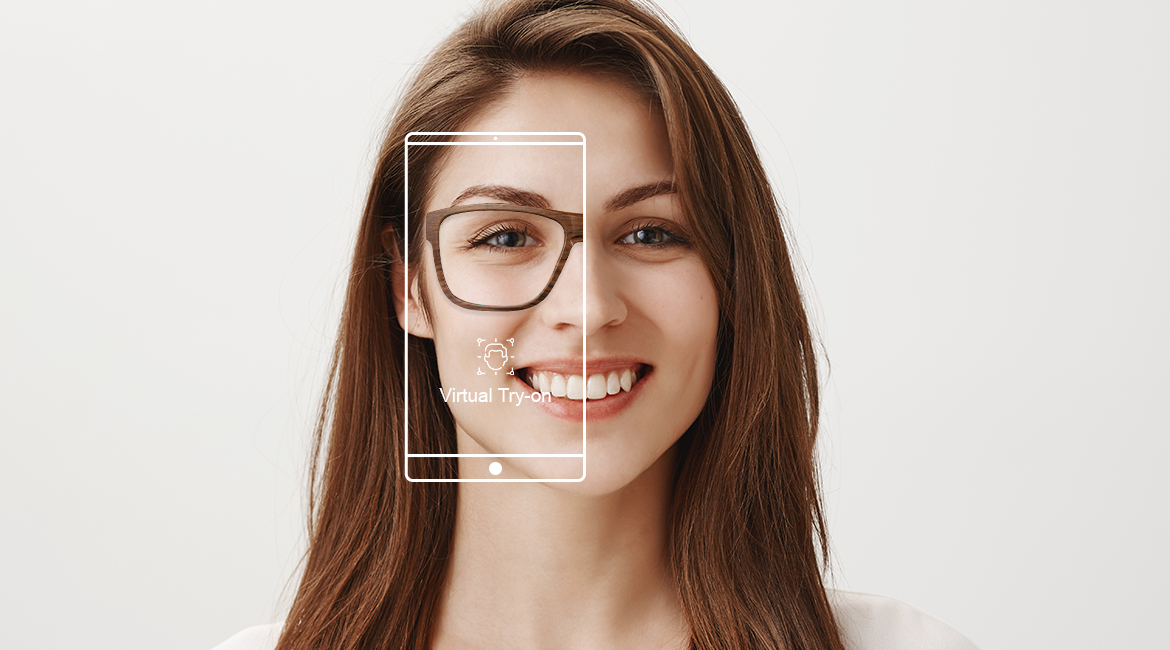
Building upon the advanced features that make trying on glasses virtually accurate, businesses, particularly in the eyewear sector, need practical ways to integrate this technology into their online presence. Implementing virtual try-on capabilities effectively is crucial for providing customers with the best possible experience in 2025.
Integration Options
There are several established methods for bringing virtual glasses try on to an e-commerce platform. The choice depends on budget, technical capabilities, and desired level of customization. Each option facilitates users trying on glasses virtually before buying.
Web Widgets: Subscription-based virtual try-on web widget for glasses.
One of the most common approaches is using a subscription-based virtual try-on web widget. These are often provided by specialized technology companies. Businesses pay a recurring fee to embed a ready-made virtual try-on module directly onto their product pages. This allows customers to begin trying on glasses virtually with minimal technical setup for the retailer.
API Integration: Integrating virtual try-on capabilities directly into the website.
For greater control and a more seamless user experience, companies can opt for API integration. This involves using an Application Programming Interface provided by the virtual try-on vendor. The business's development team incorporates the virtual try-on functionality deeper within their website's code, allowing for a customized look and feel and tighter integration with existing systems. This method is key for truly implementing virtual try on on website natively.
Mobile SDKs: Developing native mobile apps with virtual try-on features.
For businesses with dedicated mobile applications, integrating virtual try-on often involves using Mobile SDKs (Software Development Kits). These kits provide tools and libraries specifically for building the virtual try-on feature into iOS or Android apps. This ensures optimal performance and a user experience tailored for mobile devices, enabling seamless trying on glasses virtually within the app.
Cost Considerations
Implementing virtual glasses try on isn't without cost. Businesses must budget for the initial setup and ongoing expenses associated with the service. Understanding the cost of virtual try on service is vital for planning.
Subscription Fees: Monthly or annual fees for using a virtual try-on platform.
As mentioned for web widgets, subscription fees are a common cost structure. These can vary significantly based on the provider, the features included, the volume of usage, and the level of support. These recurring costs cover access to the technology, maintenance, and updates.
Custom Development Costs: Expenses associated with building a custom virtual try-on solution.
Opting for API integration or building a solution using Mobile SDKs often incurs custom development costs. This includes the expense of developers' time to integrate the technology, potentially design custom interfaces, and ensure compatibility with existing e-commerce infrastructure. Building a highly customized virtual try-on experience requires significant upfront investment.
Maintenance and Updates: Ongoing costs for maintaining and updating the virtual try-on technology.
Regardless of the integration method, there are maintenance and updates costs. Technology evolves, and virtual try-on systems require regular updates to maintain compatibility, improve performance, and add new features. Businesses may pay ongoing fees for technical support, bug fixes, and access to the latest versions of the software.
Website Integration
Effectively implementing virtual try on on website and other channels involves not just choosing an integration method but also preparing the product catalog. The goal is to enable customers to easily try on virtual eyewear frames across different platforms.
Businesses need to integrate virtual try-on glasses services across all their online sales channels. This includes their main e-commerce websites and mobile browsers, ensuring a consistent experience whether the customer is browsing on a desktop or smartphone. Providing the ability to explore various frame styles and even types of glasses and lenses virtually is key to meeting customer expectations in 2025.
Easily Create 3D Glasses from 2D Pictures:
A crucial step in populating the virtual try-on system is creating accurate digital representations of the physical products. Many modern platforms offer the ability to Easily Create 3D Glasses from 2D Pictures.
This streamlined process significantly reduces the effort required. After a few easy setup processes with the technology provider, the eyewear brand only needs to upload three pictures of the eyewear SKU (usually front, side, and a slightly angled view). Advanced algorithms and AI technology then analyze these 2D pictures and transform them into high-fidelity 3D virtual glasses models. This allows customers to easily virtual try on the product, seeing how specific frames look on their face with realistic shape and detail, facilitating the entire trying on glasses virtually experience.
Implementing virtual try-on requires careful consideration of integration methods, costs, and the process of digitizing products. Mastering these aspects allows businesses to offer a powerful tool that enhances the online shopping journey for customers looking to try on glasses virtually.
To find platforms and technologies that offer these implementation options and start exploring how you can begin trying on glasses virtually yourself, you can search here: trying on glasses virtually. Visiting this link lets you discover different virtual try-on services and eyewear models that support this feature, directly addressing your need to virtually test out glasses options.
【Virtual Try-On vs. Home Try-On】

When considering purchasing eyewear online in 2025, customers often weigh two primary methods for testing frames: trying on glasses virtually through online tools or participating in a traditional home try-on program. Understanding the differences is crucial for making the right choice. This section directly compares these two popular approaches.
Convenience
The convenience factor is a major differentiator between virtual and home try-on. Trying on glasses virtually offers significant advantages in terms of speed and accessibility.
Virtual try-on offers instant results.
Using virtual try-on technology allows customers to instantly see how different frames look on their face. There's no waiting involved. You simply activate the virtual fitting tool on a website or app and start browsing frames, seeing the results in real-time from anywhere with an internet connection. This provides immediate feedback when you're trying on glasses virtually.
Home try-on requires waiting for glasses to be shipped.
In contrast, a home try-on program requires patience. You select a few frames online, and the retailer ships physical sample frames to your home. This process involves ordering, shipping time, receiving the frames, trying them on over a few days, and then shipping them back. This traditional method means there's a significant delay before you can make a final purchase decision.
virtual try on vs home try on
Comparing virtual try on vs home try on purely on convenience highlights the speed and effortlessness of the virtual option. Trying on glasses virtually saves time and eliminates the logistics of shipping back and forth. It's an on-demand solution perfect for browsing many styles quickly. Home try-on, while offering a tactile experience, demands more time and effort. Exploring options for internet eyeglasses and how they integrate virtual try-on is key for maximum convenience in 2025 (internet eyeglasses).
Cost
Cost is another important consideration when deciding between virtual try-on and home try-on programs. The expenses associated with each method differ significantly.
Virtual try-on can be more cost-effective in the long run.
For the customer, trying on glasses virtually is typically free. The cost of the technology is absorbed by the retailer. By enabling customers to confidently choose frames online without needing physical samples, virtual try-on can potentially reduce returns, which are costly for both the customer (packaging, trips to post office) and the business (shipping, processing). Over time, this can make virtual try-on a more cost-effective solution for both parties.
Home try-on involves shipping and handling costs.
Home try-on programs inherently involve shipping and handling. While some retailers offer free shipping for samples, others may charge. There are also indirect costs like the time and effort spent packing and returning the frames. For the retailer, the costs are substantial, including shipping both ways and the logistical overhead of managing inventory rotation. These expenses are built into the business model of home try-on.
Decision Making
Both virtual try-on and home try-on aim to help customers make informed decisions, but they do so in different ways and with different impacts on the shopping journey. The user's ability to try on virtual eyewear frames influences their confidence in purchasing.
Virtual try-on can deliver a more immediate experience for customers to try on its products along with a sales boost
Trying on glasses virtually provides immediate visual feedback, helping customers quickly narrow down choices and feel more confident about styles that suit their face shape and features. This instant validation streamlines the decision process. For businesses, offering this seamless experience can lead to higher conversion rates and a boost in online sales, as customers can make decisions faster and with greater assurance. The ease of trying on glasses virtually removes a major barrier to online eyewear purchase.
The at-home program gave Warby Parker time to perfect its virtual try-on feature without needing to rush it to market
Historically, some innovative online eyewear retailers like Warby Parker initially relied heavily on the home try-on model. This allowed them to serve customers who needed to test frames while they simultaneously developed and refined their digital capabilities, including their virtual try-on technology. While home try-on was a crucial step in their evolution, the trend in 2025 is towards enhancing the virtual experience to potentially reduce reliance on physical samples, demonstrating the growing importance and capability of trying on glasses virtually as the primary method for online fitting.
To explore platforms that offer advanced virtual try-on features and begin experiencing the convenience and immediacy of trying on glasses virtually, you can search here: finding virtual glasses try on options. Visiting this link allows you to find retailers and services that let you virtually try on glasses, directly addressing your need to see how different frames look before buying.
【Understanding Virtual Try-On Technology】
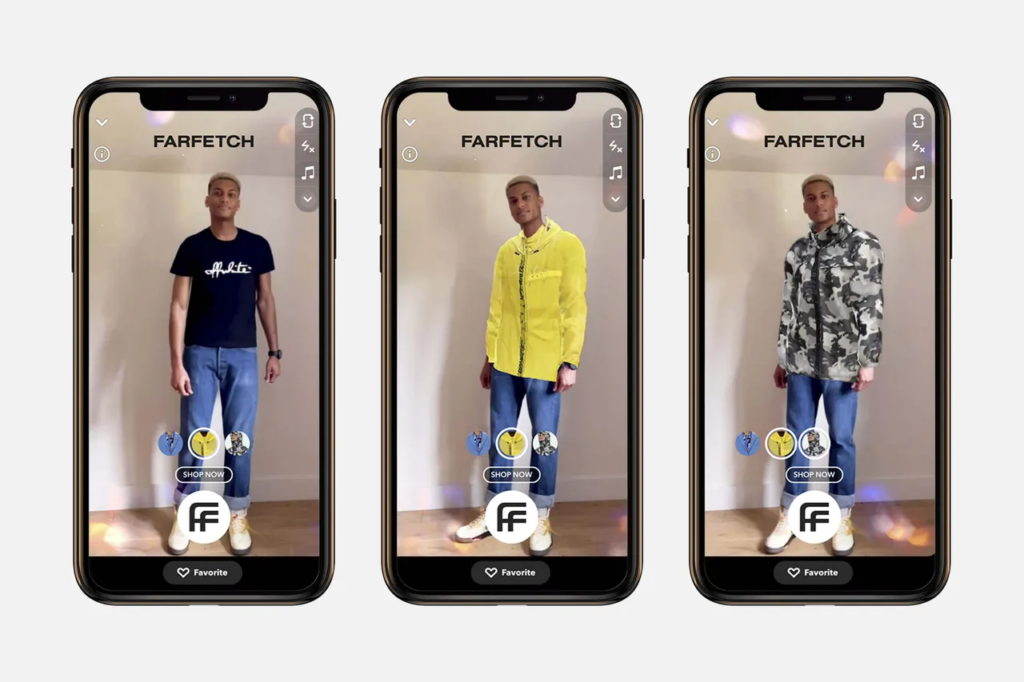
Moving beyond the comparison of virtual and home try-on methods, let's delve into the technology that powers the ability to see glasses on your face without ever touching them. Understanding how trying on glasses virtually works helps illuminate its capabilities and benefits in 2025. This section breaks down the core components of virtual try-on technology.
How Does Virtual Try-On for Glasses Work?
The magic behind trying on glasses virtually relies on sophisticated digital technologies working together. At its heart, it's about accurately placing a digital representation of eyewear onto a live or recorded image of your face.
Augmented Reality (AR) overlay:
The primary engine driving virtual try-on for glasses is Augmented Reality (AR). This technology uses your device's camera, typically a smartphone or computer webcam, to capture your facial features in real-time.
AR software then maps key points on your face – like the position of your eyes, nose bridge, and temples. This facial mapping creates a digital mesh or anchor points.
Finally, the system overlays a high-resolution digital image or 3D model of the glasses frames onto your face within the video feed. This creates the illusion that you are actually trying on glasses virtually.
Artificial Intelligence (AI) integration:
While AR handles the overlay, Artificial Intelligence (AI) plays a crucial supporting role in making the virtual try-on experience seamless and accurate. AI algorithms are essential for ensuring the proper scaling of the eyewear.
They analyze the size of the frames relative to your facial measurements derived from the AR mapping. This ensures the glasses appear the correct size on your face, not too big or too small.
Furthermore, AI assists with precise positioning. It tracks your head movements and adjusts the glasses' position and angle accordingly, maintaining the illusion as you turn your head while trying on glasses virtually. Some advanced virtual eyewear try on systems even use AI to allow for slight adjustments to the glasses' fit on the virtual face, mimicking real-world adjustments. This AI enhances the virtual fitting process.
Benefits of Trying Glasses On Virtually
Understanding the technology reveals several compelling advantages to trying on glasses virtually compared to traditional methods. These benefits contribute significantly to its growing popularity in 2025 for buying eyewear online.
Convenience and accessibility:
Perhaps the most immediate benefit of virtual try-on is unparalleled convenience. You can literally try on dozens or even hundreds of different pairs of glasses from the comfort of your own home, office, or anywhere you have an internet connection and a compatible device.
This eliminates the need to travel to physical stores, saving both time and effort. The virtual glasses try on tool is available 24/7, fitting perfectly into any busy schedule. Whether it's late at night or early in the morning, you can explore eyewear options at your leisure, making trying on glasses virtually incredibly accessible.
Wider selection:
Online retailers typically have a much larger inventory than a brick-and-mortar store can physically stock. By using virtual try-on technology, you gain access to this vast selection.
Instead of being limited to the frames on display in a single shop, you can browse thousands of styles, colors, and brands from numerous online sources. This allows you to easily explore different looks and find frames that truly match your personal style when trying on glasses virtually. You can quickly compare many options side-by-side virtually.
Time-saving:
Trying on glasses virtually is a significant time-saver. There's no need to commute to multiple optical shops to compare different styles.
You can simply open a website or app, activate the virtual try-on feature, and begin browsing through the catalog. This drastically reduces the time spent trying on different pairs compared to the physical process in a store or waiting for home try-on samples. It streamlines the entire eyewear discovery process, making virtual try on online a fast and efficient method.
【Accuracy and Realism of Virtual Try-On】
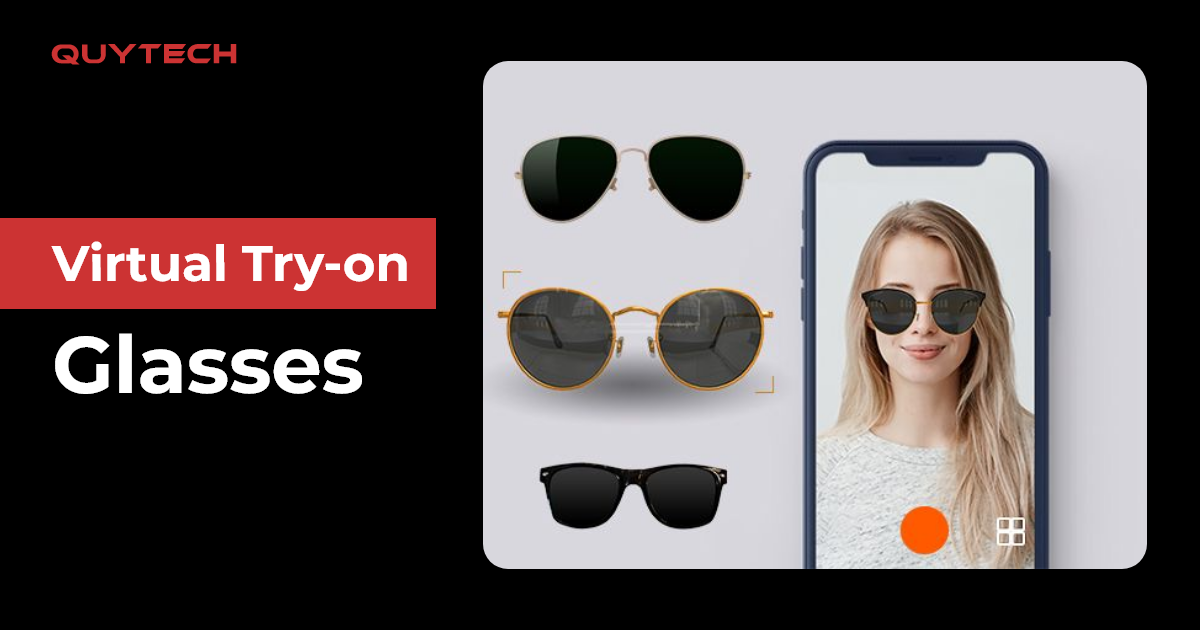
Following our exploration of the technology and benefits behind trying on glasses virtually, a natural question arises: how accurate and realistic is the experience? In 2025, virtual try-on technology has advanced considerably, but understanding its nuances is key to setting proper expectations. This section examines the precision of virtual eyewear try on and compares it to the traditional in-store fitting.
Are Virtual Glasses Accurate?
The goal of virtual glasses try on is to provide a realistic preview of how frames will look on your face. While it offers a powerful simulation, the accuracy can be influenced by several factors. It's crucial to understand what the technology can and cannot perfectly replicate.
Factors affecting accuracy:
Several external elements can impact the visual accuracy when trying on glasses virtually. One significant factor is lighting conditions. The way light hits your face and how your device's camera captures it can affect how the virtual frames appear. Different lighting environments can alter the perceived color, texture, and shininess of the digital frames, potentially making them look slightly different than in person.
The device camera quality also plays a vital role in the clarity and detail of the virtual image. A high-resolution camera on a modern smartphone or computer will provide a sharper, more detailed image of your face, allowing the AR software to map features more precisely and overlay the glasses with greater fidelity. Lower quality cameras might result in a less clear or slightly distorted virtual image, impacting the overall realism of the virtual try on online experience.
Limitations in replicating the in-store experience:
Despite sophisticated AR and AI, virtual try-on has inherent limitations in fully replicating the physical in-store experience. Crucially, virtual try-on cannot replicate the tactile feel of the glasses. You cannot feel the weight of the frames on your nose, the pressure of the temples behind your ears, or the quality of the materials. This physical sensation is a key part of choosing glasses for comfort.
Similarly, it may not accurately represent how the glasses will feel in terms of weight and comfort. While some systems might provide frame weight information, experiencing it physically is different. This means aspects like how well the frames balance on your face or if they feel too heavy can't be assessed virtually. Furthermore, complex optical needs, such as prescriptions requiring specific lens types like those for prism lenses, are often best discussed with an optician who can also assess frame suitability for such lenses in person.
Understanding these factors helps manage expectations for virtual try-on. It's an excellent visual tool but isn't a perfect substitute for a physical fitting regarding comfort and material feel.
Explore a wide range of frames and experience the potential visual accuracy of trying on glasses virtually right now. virtual fitting online
Virtual Try-On vs In-Store Experience
Comparing virtual try-on to the traditional method highlights the distinct advantages of each approach. Neither is inherently "better"; they serve different purposes and cater to different aspects of the eyewear selection process.
In-store advantages:
The traditional optical store offers significant benefits, primarily centred around professional expertise and physical assessment. You have access to professional assistance from opticians. These trained professionals can take precise measurements, offer personalized recommendations based on your face shape, prescription, and lifestyle, and ensure the frames are properly fitted to your face.
Furthermore, the in-store visit allows for the essential ability to physically assess the fit and comfort. You can try on multiple frames, feel their weight and material, check how they sit on your nose and behind your ears, and gauge their overall stability. This tactile assessment is crucial for long-term wearing comfort, something virtual try on cannot replicate.
Virtual try-on advantages:
Conversely, virtual try-on excels in areas where physical stores face limitations. One major advantage is the freedom to experiment with bolder choices without feeling self-conscious. In a physical store, you might hesitate to try on very different or unusual styles. With virtual try-on, you can privately sample hundreds of frames, pushing your style boundaries without any pressure.
Another key benefit is the ease of sharing and getting feedback. You can easily receive instant feedback from friends and family by sharing virtual images. Simply take a screenshot of yourself trying on glasses virtually and share it via message or social media. This collective input can be invaluable in making a final decision, something much harder to orchestrate when visiting a physical store alone or with limited companions. This makes the virtual glasses try on process highly collaborative.
【Exploring Virtual Try-On Platforms】
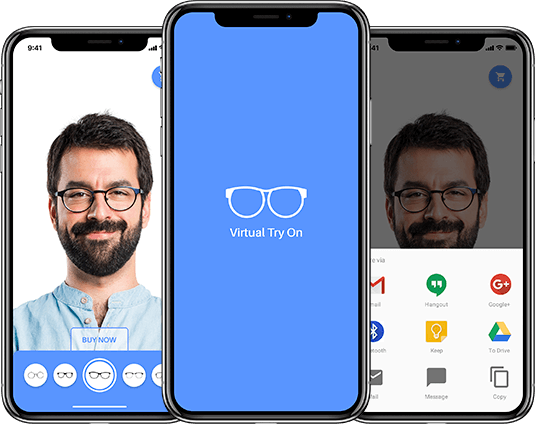
Following our discussion on the accuracy and limitations of virtual try-on, it's time to explore where you can actually experience trying on glasses virtually. In 2025, numerous platforms offer this technology, ranging from dedicated retailer applications to broader virtual fitting services. Understanding these options helps you find the best way to see how frames look on you without leaving home.
Best Virtual Try-On Apps for Eyeglasses
The rise of virtual try-on technology has led to the development of various apps and websites designed specifically for eyewear. These platforms leverage augmented reality (AR) to overlay digital frames onto your live or uploaded image.
Retailer-specific apps:
Many large eyewear retailers and brands have developed their own virtual try-on apps or integrated features directly into their websites. This approach allows them to showcase their specific inventory and branding. For example, a Walmart virtual try-on review often highlights the convenience of browsing and trying on glasses virtually from their extensive collection available online.
Major eyewear groups, such as those under EssilorLuxottica (which includes brands like Ray-Ban), frequently feature integrated virtual try-on capabilities within their official apps or e-commerce sites. Using these dedicated platforms often provides access to the full range of frames from that specific retailer or brand, offering a focused virtual eyewear try on experience.
Third-party apps:
Beyond individual retailers, some virtual try-on apps act as aggregators, offering virtual try-on experiences for frames from multiple different brands or designers. These platforms aim to provide a wider selection in one place.
These types of apps may also provide additional features designed to enhance the virtual glasses try on online process. This can include AI-driven style recommendations based on your face shape or current trends, helping you discover frames you might not have considered.
Virtual Fitting Room Technology: A Broader Perspective
The technology powering trying on glasses virtually is part of a larger trend in online retail: the development of virtual fitting room technology. This innovation isn't limited to eyewear but is being applied across various fashion categories.
Beyond eyewear:
The concept of virtual fitting rooms is rapidly expanding beyond just glasses. Retailers in apparel and accessories are increasingly adopting similar AR and 3D modeling technologies. This allows customers to virtually try on clothing, hats, jewelry, and other items.
The ultimate goal of this technology is to replicate the physical fitting room experience within the convenience of your home. While virtual try-on for glasses focuses on face fit and appearance, for clothing, it involves simulating drape, size, and how items look on your body shape.
Enhancements through AI:
Artificial intelligence (AI) plays a crucial role in improving virtual fitting room technology, including the experience of trying on glasses virtually. AI algorithms can power style advisors that provide highly personalized recommendations. By analyzing your facial features, past preferences, or even uploaded photos of your existing wardrobe, AI can suggest frames that are likely to suit you.
Furthermore, AI is being used in size prediction tools, particularly relevant for apparel but also potentially applicable to frame size recommendations for glasses. These tools help users select the correct size for a better virtual try on result and a more comfortable fit, reducing the likelihood of returns.
Exploring the diverse landscape of platforms offering trying on glasses virtually allows you to find the best fit for your needs, whether through a retailer's dedicated app or a multi-brand service. Ready to explore the convenience and vast selection? Find frames you can try on virtually right now. experience virtual try-on online
【The Future of Eyewear Technology】

Beyond the current capabilities of trying on glasses virtually and online purchasing, the world of eyewear is rapidly evolving. The year 2025 is seeing significant advancements in integrating technology directly into frames, leading to innovative devices that serve multiple functions. This exploration looks at smart glasses, augmented reality integration, and the emergence of audio glasses.
Smart Glasses and Augmented Reality
The concept of smart glasses has moved from science fiction to tangible products, fundamentally changing what eyewear can do. These devices go beyond basic vision correction, incorporating computing power and connectivity.
Meta smart glasses features:
Major tech companies are heavily investing in smart glasses. In 2025, devices like those developed by Meta are showcasing advanced features. These smart glasses are integrating seamlessly with sophisticated AI assistants, allowing for hands-free interactions, information retrieval, and even language translation directly in the user's field of vision.
While consumer applications are a primary focus, the potential use cases for smart glasses extend into professional and specialized fields. Early trials and discussions in 2025 explore their deployment in government applications for secure communication and data access, as well as potential integration into military operations for tactical information overlay and enhanced situational awareness.
AR glasses for vision correction:
A particularly exciting frontier in 2025 is the development of AR glasses specifically designed for vision correction. This technology aims to move beyond traditional lenses by using augmented reality displays to directly correct refractive errors. Imagine a future where an AR layer dynamically adjusts the light entering your eye based on your specific prescription needs.
These developing technologies could offer a revolutionary approach to vision care. They are not just about correcting sight; they are also looking to combine this correction with the smart features found in other high-tech eyewear. The goal is to create a single device that provides perfect vision correction alongside communication tools, navigation, and other AR functionalities. This convergence suggests a future where getting your specific visual needs met, perhaps even through updated online processes for prescription prescription glasses, becomes part of a more integrated technology experience.
Are Audio Glasses Worth It?
Another growing category in eyewear technology is audio glasses. These frames look like regular glasses but house integrated speakers, often near the temples, allowing users to listen to audio discreetly without earbuds.
Nuance Audio Glasses benefits:
Products like Nuance Audio Glasses are gaining traction in 2025. A key benefit is their discreet hearing enhancement. Unlike traditional hearing aids, they are integrated into stylish frames, making them less conspicuous. They provide focused sound to the wearer while minimizing leakage to others nearby.
Furthermore, the accessibility of audio glasses is improving. In 2025, some models can be purchased using vision insurance or health savings account (HSA) and flexible spending account (FSA) funds at major retailers, including places like Walmart. This financial accessibility makes discreet hearing support available to a wider audience.
EssilorLuxottica audio glasses price:
Large eyewear groups like EssilorLuxica are also entering the audio glasses market, contributing to increased availability and competitive pricing in 2025. As more players offer this technology, the cost is becoming more accessible compared to earlier, niche products.
These audio glasses offer a dual benefit: they provide hearing assistance for those who need it, and they function as a convenient way to listen to music, podcasts, or take calls without blocking ambient sounds, making them ideal for activities where situational awareness is important. They represent a blend of health assistance and audio entertainment in a single, fashionable frame.
Exploring the future of eyewear technology reveals a landscape where glasses do much more than correct vision or block the sun. From advanced smart capabilities and AR vision correction to discreet audio solutions, the possibilities are expanding rapidly. While these innovations are on the horizon, the convenience of exploring frame options and trying them on from anywhere is already here. You can start experiencing this ease today. Find frames you can try on virtually and see how they look on you before making a decision.
【Privacy and Ethical Considerations】

When exploring innovative eyewear options like trying on glasses virtually or using advanced smart glasses, it's crucial to consider the underlying privacy and ethical implications. As technology integrates more deeply into personal devices, understanding how our data is handled and ensuring user safety becomes paramount in 2025.
Virtual Try-On Glasses: Privacy Concerns
The convenience of virtual try-on glasses comes with questions about the personal information being shared. Understanding the data collected and how it's used is essential for safeguarding your privacy when trying frames online.
What data is collected during virtual try-on?
Using a feature to try on frames digitally often requires access to specific types of personal data.
One primary type is facial mapping data. This is created when the software scans your face to accurately place the virtual glasses. It captures the unique contours and measurements of your face.
Device information is also commonly collected. This includes details about the smartphone, tablet, or computer you are using, such as the operating system, device model, and IP address. This helps the software function correctly on different platforms.
Sometimes, your purchase history or browsing behaviour on the site might be linked to your virtual try-on sessions. This allows companies to tailor recommendations or analyze user preferences, potentially including interest in various eyewear styles, from high-tech smart glasses to traditional, more budget-friendly options like inexpensive eye frames.
Data security and usage policies:
Before engaging with virtual try-on platforms, it's vital to be proactive about protecting your information.
Review privacy policies of the apps and websites offering virtual try-on glasses. These documents should explain what data is collected, why, and how it is protected. Look for clear language about data retention and deletion.
You need to understand how your data is stored and used. Is the facial mapping data stored on their servers, or is it processed and immediately discarded? Is the data shared with third parties? Being informed helps you make conscious decisions about using these technologies for trying on eyewear.
Are Smart Glasses Safe?
Beyond privacy, the growing adoption of smart glasses raises questions about user safety, particularly concerning health effects and applications in sensitive environments.
Health and safety considerations:
Integrating displays and computing power into eyewear brings potential health considerations that users should be aware of in 2025.
There can be potential risks associated with prolonged use of smart glasses. Just like with smartphones or computer screens, extended use of displays so close to the eyes might contribute to digital eye strain or other visual discomforts for some individuals.
Concerns about blue light exposure and eye strain are also relevant. Many digital displays, including those potentially used in smart glasses or when trying on glasses virtually on a screen, emit blue light, which some studies suggest could have long-term effects on eye health with excessive exposure. Manufacturers are working to mitigate these factors.
Smart glasses for military applications:
The use of smart glasses extends beyond consumer tech into specialized fields like the military, where safety protocols are extremely stringent.
In military applications, ensuring user safety in demanding and often hazardous environments is a top priority. This includes considerations for display visibility in varying light conditions, structural durability of the frames, and minimizing distractions that could impair situational awareness.
Developers are focused on developing guidelines for responsible use of smart glasses in these critical roles. This involves training protocols, defining usage limitations, and implementing fail-safe features to prevent injury or compromise during operations where the technology is deployed.
As we embrace the possibilities offered by technologies like trying on glasses virtually and sophisticated smart glasses, it's clear that awareness of data practices and safety features is as important as the functionality itself. Being informed empowers you to enjoy the convenience while making responsible choices about your digital interactions and your health. If you're interested in exploring different eyewear options safely and conveniently from home, from the latest tech to classic frames, you can start your search. Find frames you can try on virtually to see how various styles suit you before deciding.


评论
发表评论