Spatial Neglect PAT & Prisms 2025
Struggling with spatial awareness due to Spatial Neglect? Discover how Prism Adaptation Treatment (PAT) utilizes specialized prism lenses to help recalibrate spatial perception. Explore the evidence, understand treatment factors, and find potential vision solutions designed to address these challenges by visiting [https://www.mozaer.com/search?q=prism lenses](https://www.mozaer.com/search?q=prism lenses).
Clinical Manifestations and Impact on Daily Life
Functional Consequences of Spatial Neglect
Building on our understanding of Spatial Neglect subtypes, let's look at how this condition actually impacts a person's life day-to-day. These are the functional consequences that rehabilitation aims to address.
One major difficulty is with reading and writing. Someone with neglect might miss the left side of a page when reading a book or newspaper. They might struggle to keep straight margins or complete the left side of a written word or drawing. Think about navigating; simple tasks like finding your way around a familiar room or the grocery store become challenging. This is a significant functional consequence of the spatial awareness deficit.
Safety is another critical concern. Neglecting one side of space drastically increases the risk of bumps, collisions, and falls. Simply walking through a doorway, around furniture, or navigating busy environments can be hazardous because obstacles on the neglected side are simply not perceived. This heightened risk of accidents significantly impacts independence.
Everyday tasks, often referred to as Activities of Daily Living (ADLs), are frequently impaired. Dressing might mean only putting clothes on the non-neglected side of the body. Eating could involve only clearing food from one side of the plate, leaving the other side untouched. Personal grooming tasks also become challenging, as individuals may only attend to one side of their face or body.
Beyond the physical and practical challenges, Spatial Neglect can lead to social isolation and reduced quality of life. Difficulty interacting with people positioned on the neglected side or participating in group activities, which require awareness of surrounding space and people, can be frustrating and isolating. Understanding these functional consequences highlights the critical need for effective interventions.
Introduction to Prism Adaptation Treatment (PAT)
Historical Development and Theory
Given the profound and wide-ranging impact of Spatial Neglect on daily life, researchers and clinicians have explored various rehabilitation approaches. One promising technique gaining attention, with its origins rooted in studies of sensorimotor adaptation, is Prism Adaptation Treatment, or PAT.
PAT leverages the brain's incredible capacity for plasticity – its ability to recalibrate its internal spatial maps in response to altered sensory input. The treatment is based on the principles of sensorimotor learning, observing how the brain adjusts coordination between sensory information (like vision) and motor commands (like reaching).
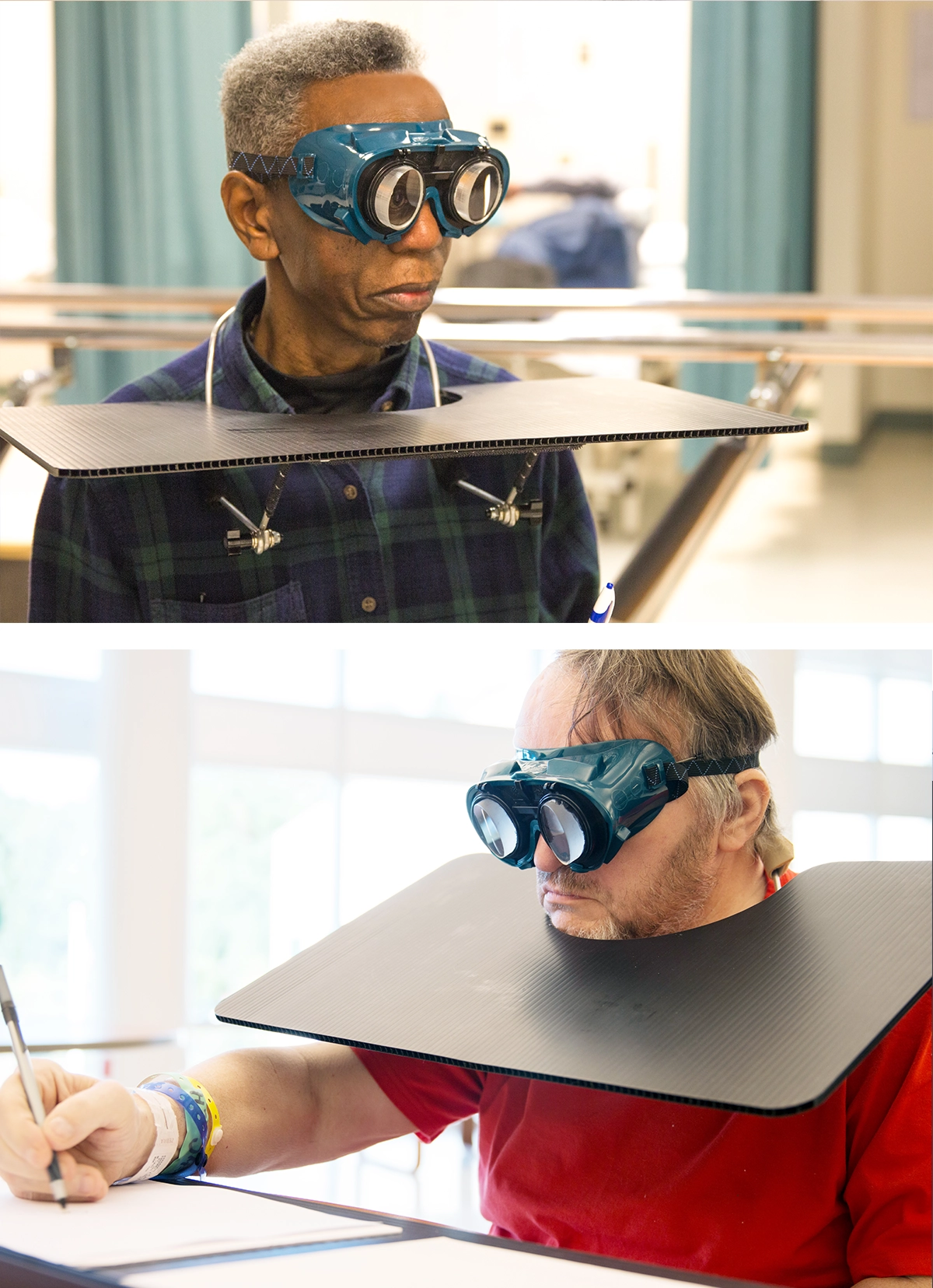
The core principle involves using special optical devices, specifically prism lenses. These lenses are mounted in glasses or goggles and induce a temporary, lateral shift in the visual field. For example, if someone has left-sided neglect, prisms are typically used to shift everything the person sees to the right.
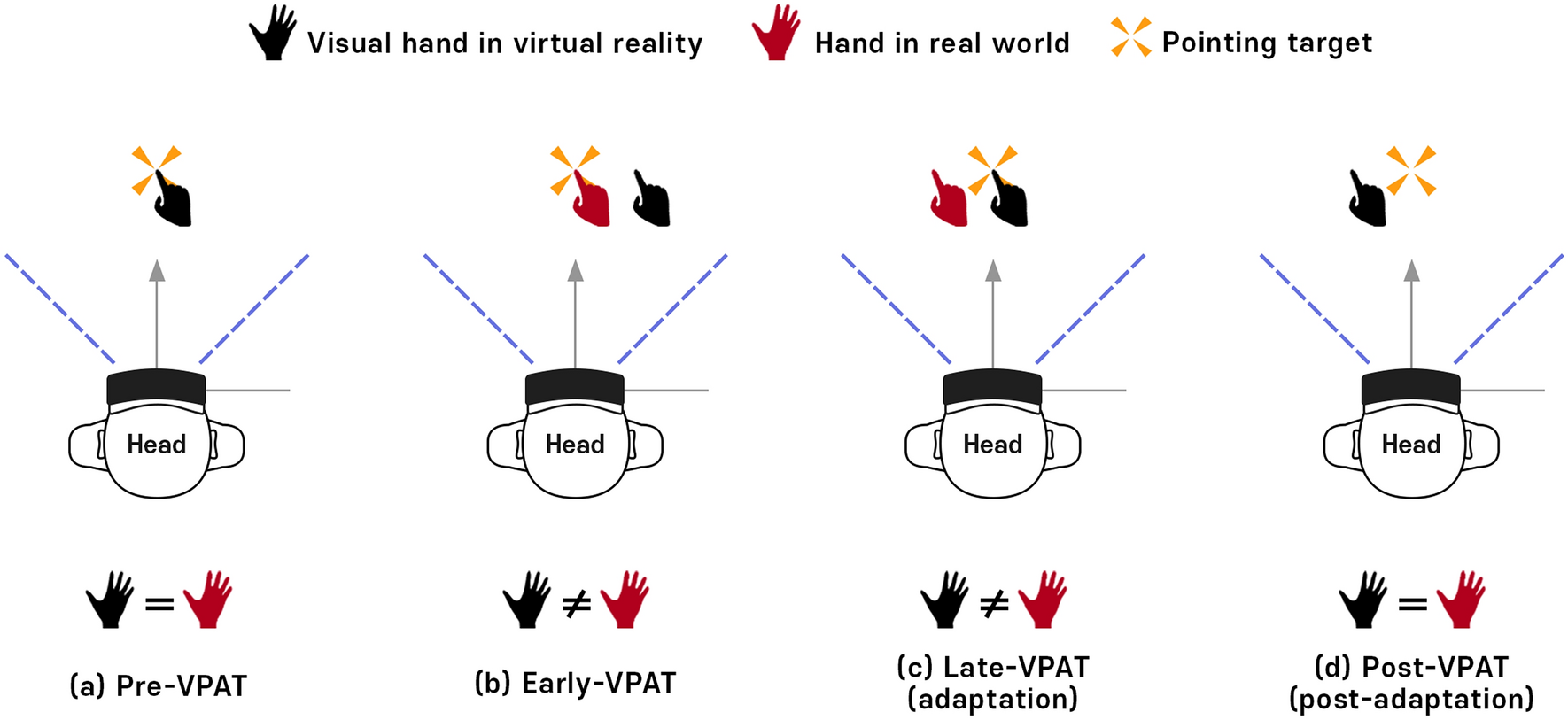
This induced visual field shift creates a discrepancy or mismatch between where the brain expects a target to be located in space (based on proprioception and motor intention) and where vision reports it is (due to the prism shift). If a person is asked to reach straight ahead while wearing these prism lenses, they will initially reach too far to the left relative to the actual target because their vision is shifted right. This 'error signal' is fundamental to the therapy.
The brain, in an automatic attempt to resolve this sensorimotor discrepancy and improve reaching accuracy, triggers a cascade of adaptive processes. Through repeated goal-directed movements, such as pointing or reaching, while wearing the prism lenses, the brain recalibrates its sensorimotor system and internal spatial representations. This adaptation is motor-based and updates the brain's understanding of space.
Importantly, this adaptive shift persists for a period even after the prism lenses are removed. This after-effect often results in a temporary shift of spatial attention and action towards the contralesional, previously neglected, side of space. This induced shift is the therapeutic effect we aim to achieve with PAT in individuals with Spatial Neglect in 2025. Understanding the theory behind PAT shows why specialized optical tools are indispensable. The specific design and optical properties of prism lenses are essential for creating the necessary visual field shift that initiates the brain's adaptive response and potentially improves spatial awareness. acquire corrective optical tools.
【Does Prism Adaptation Treatment (PAT) Really Work?】
We've looked at the theory behind Prism Adaptation Treatment (PAT), understanding how it uses prism lenses to recalibrate spatial awareness. But knowing how something works doesn't automatically prove it's effective in treating Spatial Neglect. So, a crucial question arises: Does PAT truly lead to meaningful and lasting improvements for individuals experiencing this condition?
Conflicting Evidence: Meta-Analyses vs. Clinical Data
Evaluating the effectiveness of any rehabilitation intervention requires looking at the evidence. For PAT, the picture emerging from research isn't entirely straightforward. We see different results depending on the type of study conducted.
Meta-Analyses Findings: What Does the Synthesis Say?
Systematic reviews and meta-analyses pool data from multiple studies to provide a higher level of evidence. Recent comprehensive reviews of PAT for Spatial Neglect have yielded cautious conclusions in 2025.
A significant Cochrane review published in 2021 examined available randomized controlled trials. Their analysis concluded there was no clear evidence demonstrating short- or longer-term therapeutic effects of PAT on reducing Spatial Neglect severity.
Similarly, a meta-analysis by Qiu et al. in 2021 specifically looked at the impact of PAT on standard clinical assessments of neglect. They reported null effects when evaluating outcomes measured by tools like the Behavioural Inattention Test - conventional (BIT-c) or the Catherine Bergego Scale (CBS).
A more recent systematic review by Szekely et al. in 2023 reinforced these findings. They found no robust evidence from controlled studies that PAT, using specific optical shifts induced by prism lenses, significantly reduces Spatial Neglect symptoms as measured by the BIT-c or the CBS. These systematic reviews suggest that, based on synthesized trial data, the evidence for PAT's effectiveness on standard tests is limited.
Clinical Data Analysis: Insights from Real-World Rehabilitation
While meta-analyses synthesize controlled trial data, examining outcomes in real-world clinical settings can offer different insights. A large quality improvement initiative provides an example of this.
This initiative involved a retrospective analysis of data collected across 16 inpatient rehabilitation hospitals in the United States between 2017 and 2021. The dataset included outcomes from a large cohort of 4,454 individuals undergoing rehabilitation, many with Spatial Neglect resulting from acquired brain injury.
This extensive clinical data suggested a positive association between receiving PAT and better overall rehabilitation outcomes. Specifically, PAT was linked to greater improvements in functional independence scores (measured by the FIM instrument) compared to individuals who did not receive PAT.
Furthermore, this analysis hinted at a potential dose-response relationship. Patients who received more daily sessions of Prism Adaptation Treatment showed a greater reduction in Spatial Neglect severity, assessed using the Catherine Bergego Scale (CBS). This large, real-world dataset offers a more optimistic view regarding PAT's impact in typical rehabilitation environments, potentially influencing functional gains, even if not consistently detected by standardized neglect tests in trials. The specific design and application of the prism lenses would be central to the therapy delivery here.
Applying the NIH Stage Model for Behavioral Intervention Development
The discrepancy between findings from controlled meta-analyses and large-scale clinical data is not uncommon in rehabilitation research. Understanding this difference can be helped by applying frameworks like the National Institutes of Health (NIH) Stage Model for Behavioral Intervention Development. This model helps clarify what aspects of "working" we are actually measuring.
Key Definitions for Evaluating Interventions
The NIH model encourages distinguishing between different levels of success when evaluating treatments. Applying these definitions helps us interpret the seemingly conflicting evidence for PAT effectiveness in 2025.
Therapeutic Effect: This is the fundamental question – does the intervention produce the desired change in the target condition? For PAT, this means demonstrating a reduction in Spatial Neglect severity or an improvement in spatial awareness and related functional abilities after receiving the treatment using prism lenses.
Efficacy: Efficacy refers to the therapeutic effect achieved under ideal and highly controlled circumstances. Think of efficacy studies conducted in carefully selected research populations with strict adherence to standardized protocols, minimizing variability. The meta-analyses largely evaluate the efficacy of PAT in this controlled environment.
Effectiveness: Effectiveness, in contrast, refers to the therapeutic effect achieved in typical clinical practice in the real world. This involves diverse patient populations, varying levels of treatment adherence, different settings, and integration with other therapies. The large retrospective clinical data analysis provides insight into the effectiveness of PAT as it is commonly delivered.
An intervention might demonstrate strong efficacy but weak effectiveness, or vice versa, due to factors related to implementation, patient characteristics, or outcome measurement. This distinction is vital for understanding why PAT might perform differently in a tightly controlled trial versus a busy rehabilitation hospital. The practical application and tailoring of the prism lenses based intervention for individual patients would be a key variable influencing effectiveness.
prism lenses
【Key Elements of Effective Prism Adaptation Treatment (PAT)】

Understanding whether Prism Adaptation Treatment (PAT) works, as explored through the lens of the NIH Stage Model, requires a deeper dive into how the treatment is actually delivered and measured. The variability seen in research findings is often linked to inconsistencies in therapeutic protocols and evaluation methods. To achieve world-class outcomes with PAT for Spatial Neglect (SN), we must consider several crucial parameters. These elements influence everything from the initial assessment to the long-term functional gains.
Defining and Measuring Spatial Neglect
Before we can evaluate the impact of prism lenses in PAT, we need a clear and consistent way to identify and quantify Spatial Neglect itself. This condition, often resulting from acquired brain injury, affects an individual's ability to detect and respond to stimuli on the contralesional side of space. However, accurately measuring SN is complex.
Challenges in SN Measurement:
One significant hurdle in PAT research and clinical practice is the lack of a universally accepted "gold standard" for measuring Spatial Neglect. Different studies and clinics use various tests and diagnostic criteria, making it difficult to directly compare results.
Furthermore, SN is not a single, monolithic deficit. It presents in various subtypes (e.g., personal, peripersonal, extrapersonal neglect; motor vs. sensory neglect). Not all SN tests adequately capture the heterogeneity of these subtypes, meaning an intervention like PAT might impact one aspect of neglect more than another, which could be missed depending on the assessment tool used.
Outcome Measures:
Despite the challenges, several standardized tests are commonly used to assess Spatial Neglect and track changes after interventions like PAT. The Behavioral Inattention Test - Conventional (BIT-c) is often used to measure impairment level, primarily focusing on peri-personal space through tasks like line bisection or cancellation.
The Catherine Bergego Scale (CBS) is a functional assessment tool. It measures the impact of neglect on daily activities and behaviors in the real world, providing insight into functional independence. A related tool is the Kessler Foundation Neglect Assessment Process (KF-NAP), which offers a more standardized functional evaluation based on the principles of the CBS. Different outcome measures might be sensitive to different aspects of neglect or different levels of intervention effect (impairment level vs. functional level), contributing to varying research outcomes.
Prism Strength and Aftereffects
The core of Prism Adaptation Treatment involves the use of specific optical prism lenses that shift the visual field. The technical specifications of these prisms and the resultant aftereffects are critical determinants of the treatment's potential impact.
Prism Strength Considerations:
The strength of the prism lenses used in PAT is a key technical parameter. It is typically measured in diopters or, more relevantly in this context, the degree of visual angle shift they induce. While some studies use weaker prisms, research has increasingly shown that higher prism strengths (≥10° shift) are more likely to demonstrate positive results in inducing a significant visuomotor or visuospatial shift.
However, a common practice in many settings has been a "one-size-fits-all" approach, using a standard prism strength rather than tailoring it to individual patient characteristics or the severity of their neglect. This lack of personalization might limit the effectiveness for some individuals.
Aftereffect Screening:
The effectiveness of PAT is heavily reliant on the induction of a prism aftereffect. This is a recalibration of visuomotor or visuospatial maps that persists after the prism lenses are removed. Patients briefly experience a shift in perceived straight ahead or the need to adjust movements to account for the removed prism. The size and duration of this aftereffect are considered crucial for the therapeutic benefits of PAT.
The size of the aftereffect is generally correlated with the prism strength used, though it is typically less than the full optical shift induced by the prism. Measurement of these aftereffects (often through tasks like open-loop pointing or straight-ahead pointing before and after prism removal) is variably used in clinical practice and research. Some protocols strictly screen for a sufficient aftereffect before continuing treatment, while others do not, potentially impacting the consistency of outcomes.
Arm Visibility and Adaptation Activities
The specific activities performed while wearing the prism lenses and whether the patient can see their adapting limb (typically the arm) are methodological variations that might influence PAT's efficacy.
Terminal vs. Concurrent Exposure:
During the adaptation phase of PAT, the patient typically performs repetitive tasks while wearing the prism lenses. A key variation is whether the reaching arm is visible. Terminal exposure restricts vision of the reaching arm until the end of the movement, focusing adaptation on the initial motor plan. Concurrent exposure allows patients to see part or the entire limb during the movement, allowing for visual feedback to guide adaptation. Research comparing these approaches has yielded inconsistent results, with no clear consensus on which method is more effective across all patients or neglect subtypes.
Adaptation Activities:
The type of adaptation activity performed while wearing the prism lenses is another variable. The most common activity is a simple finger pointing task to visual targets located within the shifted visual field. Variations exist, including marking targets on paper, using a digital stylus on a screen, or even engaging in more immersive activities like reaching for objects in virtual reality environments. While the core principle remains the same (inducing a visuomotor mismatch and subsequent recalibration), the specific task might influence the extent or type of adaptation achieved, potentially impacting the transfer of benefits to daily functional tasks.
Treatment Intensity and Dosage
Like any rehabilitation intervention, the frequency and total amount of Prism Adaptation Treatment delivered (the dosage) are likely important factors influencing outcomes. However, defining the optimal dosage has been challenging due to limited research.
Number and Frequency of Sessions:
There are limited prospective studies specifically designed to determine the optimal number and frequency of PAT sessions. A study by Goedert et al. in 2020 suggested that a relatively low number of sessions, perhaps 4–6 total sessions, might be as effective in producing positive changes as a protocol involving 10 or more sessions.
Conversely, studies with very low treatment intensity, such as the work by Rode et al. in 2015, which involved only one session a week, showed no significant PAT effects. This suggests there might be a minimum threshold of intensity required to induce meaningful and lasting adaptation using the prism lenses. The total amount of time spent in the adapted state across sessions is likely a critical factor.
Understanding Research Variability with Prism Lenses using the NIH Stage Model
The factors discussed above – how Spatial Neglect is defined and measured, the technical specifications and use of prism lenses, the activity protocols, and treatment intensity – contribute significantly to the variability observed in PAT research outcomes, as highlighted by the NIH Stage Model framework.
NIH Stage Model and PAT Research Stages:
Applying the NIH Stage Model helps us categorize the research investigating PAT and understand why conflicting results might arise.
- Stage 0: Basic research: This involves understanding the fundamental mechanisms of Spatial Neglect and how visuomotor adaptation, induced by
prism lenses, might theoretically counteract these deficits. Research at this stage explores the neurological basis of adaptation and neglect. - Stage 1: Treatment refinement and modification: This stage focuses on optimizing the delivery of PAT. Studies here investigate variables like optimal prism strength, the best adaptation activities, the ideal arm visibility condition (terminal vs. concurrent), and potentially tailoring these parameters based on patient characteristics. Much of the research outlined above regarding specific PAT parameters falls into this stage, trying to refine the "recipe" for PAT.
- Stage 2: Efficacy testing under controlled conditions: Studies at this stage test whether the refined PAT protocol works under ideal, highly controlled circumstances (as discussed in the previous section). These are often randomized controlled trials aiming to isolate the effect of PAT using specific
prism lensesprotocols from other factors. Meta-analyses pooling these trials primarily evaluate efficacy at this stage. - Stage 3: "Real-world efficacy" trials: The NIH model actually refers to this as Stage 3, bridging the gap between efficacy and effectiveness. This involves testing the intervention in typical clinical settings with less stringent controls but still aiming to demonstrate efficacy in a more pragmatic context. The large clinical data analyses mentioned previously relate to outcomes observed in something akin to this or subsequent stages.
By recognizing that research is conducted across these stages, with different levels of control and focus, we can better interpret the varied findings for PAT. For instance, a Stage 2 trial might show limited efficacy for a standardized protocol using specific prism lenses, while large-scale clinical data (closer to Stage 3 or beyond) might suggest real-world effectiveness when the intervention is delivered with some flexibility and integrated into comprehensive rehabilitation. The specific properties and consistent application of the prism lenses are central to achieving reproducible results at any stage.
To source specific types of prism lenses for therapeutic use or further research, you might explore suppliers dedicated to optical corrections or rehabilitation tools. prism lenses
Vision Pro Prescription Limitations: Addressing the Challenge
Bringing advanced spatial computing into daily life presents fascinating challenges, particularly for individuals who rely on vision correction. While devices like the Apple Vision Pro aim for seamless integration, users quickly encounter the technical boundaries of current optical solutions. This section explores the specific hurdles faced by those with certain prescriptions when trying to use the device and potential ways forward as of 2025.
Apple Vision Pro Optical Insert Incompatibilities
The standard method for accommodating vision correction with Apple Vision Pro is through custom optical inserts made by ZEISS. These inserts magnetically attach inside the headset, providing a tailored lens surface based on the user's eye prescription. It's designed to replace the need for traditional glasses while wearing the device.
User Experiences:
However, not all prescriptions are compatible with the current ZEISS insert system. Many users requiring complex corrections have shared personal anecdotes online and in forums about their prescriptions being rejected by ZEISS during the ordering process.
A primary limitation lies in the range of values supported for specific parameters like cylinder (used to correct astigmatism) and, crucially, prism. Prism lenses are used to correct diplopia (double vision) or other binocular vision issues by shifting the image. The current ZEISS inserts for Vision Pro reportedly have strict limitations on the maximum allowable cylinder correction and do not support prism correction at all. This means individuals with significant astigmatism or any need for prism lenses in their prescription are unable to use the official optical inserts.
These limitations force users to seek alternative methods or, in some cases, find they cannot comfortably use the device at all. The lack of support for corrections like prism lenses highlights a gap in the current solution for a subset of the population with specific vision needs.
Potential Solutions and Alternatives for Vision Pro
Given the incompatibilities with the standard optical inserts, users with prescriptions outside the supported range, including those needing corrections like prism lenses, must consider other options.
Contact Lenses as an Alternative:
One frequently discussed alternative is using contact lenses while wearing the Apple Vision Pro. Since contact lenses sit directly on the eye, they theoretically bypass the need for the external optical inserts, allowing the user's natural vision (corrected by the contacts) to interact with the device's displays.
This can be a viable option for many. However, using contact lenses for extended periods while wearing a headset can present its own challenges. Discomfort, dryness, or changes in vision quality due to the environment inside the headset have been reported by some users. Moreover, highly specialized corrections, such as certain types of prism lenses, are less commonly available or comfortable in contact lens form compared to spectacle lenses.
Lasik Surgery Consideration:
For a more permanent solution to vision correction issues that preclude using the Vision Pro's inserts (like high cylinder or the need for prism lenses), some individuals might consider refractive surgery such as Lasik. The goal of Lasik is to correct the underlying refractive error of the eye, potentially reducing or eliminating the need for glasses or contact lenses.
While Lasik can be highly effective for myopia, hyperopia, and astigmatism, it is a significant medical procedure with associated costs, recovery time, and potential risks. Furthermore, Lasik primarily corrects refractive errors and is typically not a solution for conditions requiring prism lenses for binocular alignment issues. This option is therefore only applicable for a subset of users whose prescriptions fall outside the Vision Pro's supported range for reasons other than prism correction.
Community Feedback and Future Design Possibilities for Vision Pro
The limitations of the initial optical solution for Apple Vision Pro, particularly for prescriptions requiring complex corrections like prism lenses, have sparked considerable discussion within the user community.
Call to Action:
Users who have encountered difficulties ordering ZEISS inserts due to high cylinder, the need for prism lenses, or other reasons are encouraged to share their similar experiences. Documenting the specific prescription values that were rejected and the challenges faced can help highlight the scope of the problem.
Sharing potential alternative solutions that have worked (or haven't) for different types of prescriptions is also invaluable. This collective feedback provides crucial insights for both fellow users navigating these challenges and potentially for Apple's future product development.
It is hoped that through community feedback and technological advancements, future iterations of the Apple Vision Pro or expanded partnerships with optical companies will accommodate a broader range of prescriptions, including those that necessitate specialized corrections like high cylinder values and prism lenses, making the device accessible to more people. Finding appropriate prism lenses for various visual needs remains a key aspect of comprehensive eye care. 找合适的棱镜镜片
【Nikon F2: A Long-Term Review and Its Timeless Appeal】

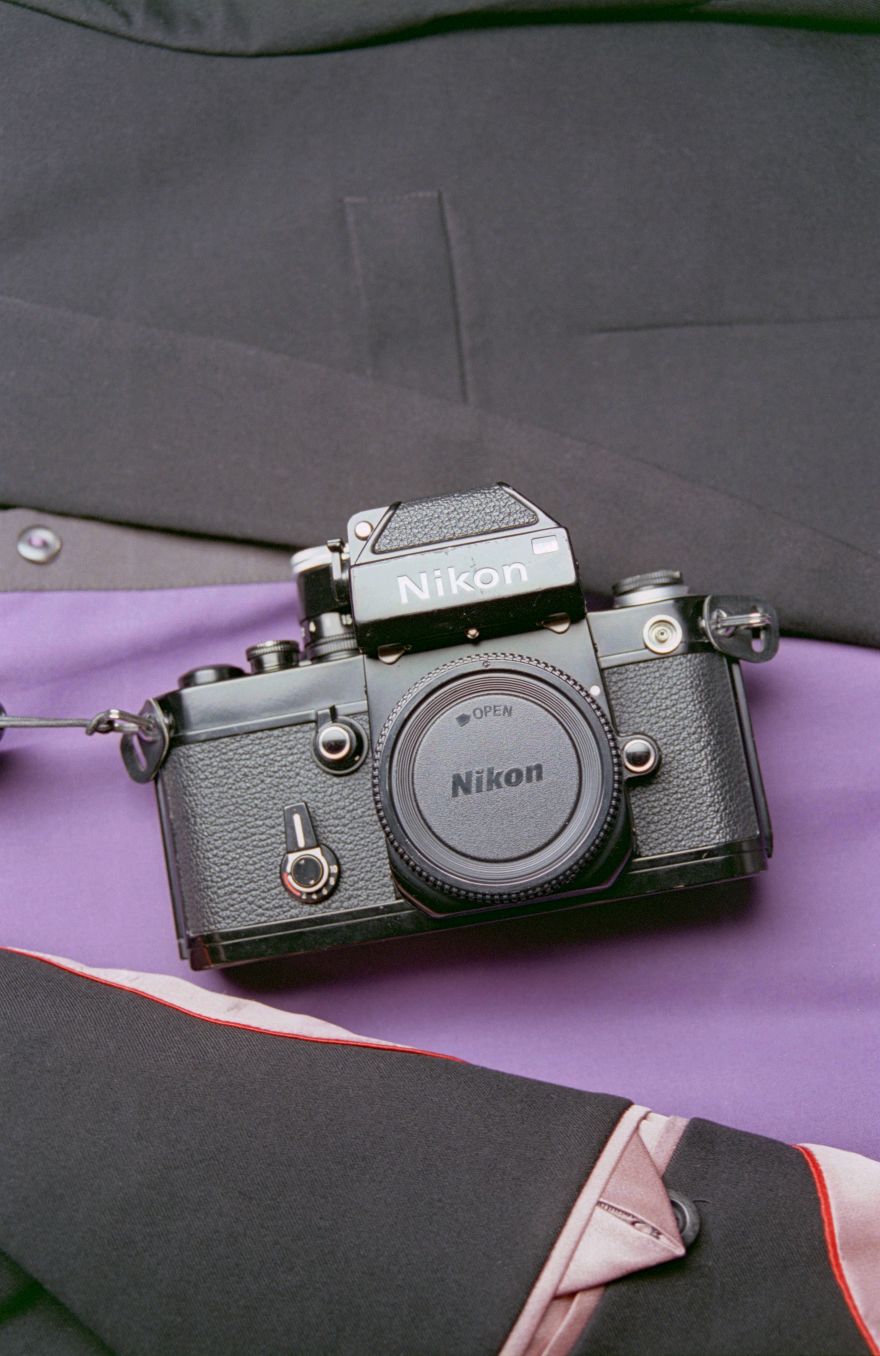
Stepping back into the world of classic film cameras in 2025 offers a unique perspective. Among the pantheon of legendary 35mm SLRs, the Nikon F2 holds a special place. It's not just a camera; it's a piece of engineering history, renowned for its mechanical precision and sheer robustness. This review explores what makes the F2 an enduring favorite for photographers today, decades after its introduction.
The Nikon F2: An Overview of Features and Models
Introduced in the early 1970s, the Nikon F2 built upon the success of the original Nikon F, refining its mechanics and adding greater versatility. It was designed as a professional system camera, meant to withstand the rigors of daily use by photojournalists and studio photographers alike. Its modular design and vast array of accessories set it apart.
Build Quality and Durability:
The Nikon F2 is famous for its exceptional build quality. Compared to many other 35mm cameras of its era, its all-metal construction feels incredibly solid and substantial in hand. It wasn't built with planned obsolescence in mind; it was built to last.
Many users share anecdotes about dropping their F2 from significant heights or exposing it to harsh weather, only for the camera to continue functioning flawlessly. This level of robustness is rarely seen in camera manufacturing today. Owning an F2 in 2025 means having a piece of photographic equipment that has likely outlasted multiple digital generations and is still ready for action.
Different Photomic Models:
A key feature of the Nikon F2 system is its interchangeable metering prisms. The camera body itself is fully mechanical and can function without any battery or metering. Light metering is handled by the "Photomic" prism finder, which sits atop the camera body. There were five main Photomic variants released: the original Photomic (DP-1), Photomic S (DP-2), Photomic SB (DP-3), Photomic A (DP-11), and Photomic AS (DP-12).
Each Photomic head offered different features, primarily relating to the metering system. The DP-1 and DP-2 used cadmium sulfide (CdS) cells, while the later DP-3, DP-11, and DP-12 switched to Silicon Photo Diode (SPD) cells, which are more responsive in low light. The DP-11 and DP-12 also added AI (Automatic Maximum Aperture Indexing) support, allowing them to meter correctly with AI and AI-S NIKKOR lenses without manually indexing the aperture. This modularity meant photographers could choose the metering system that best suited their needs or upgrade over time. All Nikon F2 camera bodies are compatible with all Photomic prisms and a vast range of Nikon F-mount lenses, making it a versatile system.
Lens Offerings and Accessories for the Nikon F2
One of the major appeals of the Nikon F2 system is the incredible range of lenses available for the Nikon F-mount. Over decades, Nikon produced a legendary lineup of NIKKOR lenses, many of which are highly sought after in 2025 for both film and digital use (with adapters).
Lens Recommendations:
While the standard 50mm f/1.4 or f/1.8 lenses are excellent, the Nikon F2 truly shines when paired with other classic NIKKOR optics. A 35mm f/2 NIKKOR is a fantastic choice for a slightly wider perspective, offering a pleasing balance of sharpness and rendering.
For those seeking top-tier performance, consider lenses like the 35mm f/1.4 Ai-S, known for its beautiful bokeh, or the sharp 28mm f/2 Ai or 28mm f/2.8 Ai-S wide-angles. If macro photography is your interest, the legendary Tokina 90mm f/2.5 AT-X Macro (often called the "Bokina") is an exceptional third-party option that pairs wonderfully with the F2 body, delivering stunningly detailed images. The versatility in lens choices makes the Nikon F2 a platform for diverse photographic pursuits.
Accessories and Modifications:
Beyond lenses, the Nikon F2 boasts an extensive ecosystem of accessories. This system approach allowed photographers to tailor the camera to specific tasks. Need to shoot faster? Add an MD-2 or MD-3 auto winder for continuous shooting up to 5 frames per second.
Want to change your view? The focusing screen is easily interchangeable; options range from standard split-image/microprism to clear matte screens optimized for specific lenses or shooting styles. For flash photography, various hot shoe adapters mount onto the rewind crank. This ability to easily modify and enhance the Nikon F2 with different accessories contributes significantly to its lasting appeal and adaptability even in 2025.
The Enduring Legacy of the Nikon F2 vs digital cameras
Comparing a completely mechanical 35mm SLR like the Nikon F2 to modern digital cameras highlights the fundamental differences in photographic approach. While digital offers instant gratification and flexibility, the F2 embodies a deliberate, tactile connection to the image-making process. Its legacy is built on reliability and performance under demanding conditions.
Pros and Cons:
The Nikon F2 offers numerous advantages. Its price on the used market in 2025 is relatively affordable for such a professional-grade camera. The lens selection is vast and high-quality. The mechanical shutter provides reliable shutter speeds up to 1/2000s, and it features useful tools like a self-timer and depth of field preview lever. Its fully manual operation forces a deeper understanding of exposure.
However, there are downsides. Lens compatibility isn't universal; while most F-mount lenses work, early non-AI lenses require stop-down metering with later Photomic heads, and G/E type lenses (without aperture rings) are essentially unusable. The camera body is notably heavy. Some Photomic heads can drain batteries quickly if not turned off, though the mechanical shutter operates independently. These factors are worth considering when choosing a camera system.
Final Verdict:
The Nikon F2 remains, in 2025, an exceptional all-mechanical 35mm SLR camera. Its legendary build quality, reliable mechanics, and integration into the expansive Nikon F-mount system make it a compelling choice for film photographers, collectors, and anyone who appreciates finely crafted instruments. It offers a pure, unadulterated photographic experience. If you're considering a classic film camera, the F2 should be at the top of your list.
Have you shot with a Nikon F2? How do you think it compares to other classic 35mm SLRs or even modern cameras? Share your experiences below. For those exploring optical solutions for various needs, consider researching available prism lenses.
Effectiveness and Application of Prism Lenses in Vision Solutions
In conclusion, Prism Adaptation Treatment (PAT) offers a promising approach for individuals with Spatial Neglect, leveraging the brain's plasticity through the use of carefully selected prism lenses. While research presents a mixed picture regarding efficacy in highly controlled studies versus effectiveness in real-world clinical settings, understanding the nuances of measurement, prism strength, adaptation activities, and treatment intensity is key to optimizing outcomes in 2025.
Beyond neurological rehabilitation, the technical properties of prism lenses are also critical in other vision applications, from correcting complex prescriptions for advanced spatial computing devices like the Apple Vision Pro (despite current limitations) to their historical role in classic optical instruments like the Nikon F2's prism finders. The ongoing development and application of these specialized optical tools are central to addressing a wide range of visual challenges.
Ready to explore the world of vision solutions or find specific optical tools like prism lenses? Click the link below to visit Mozaer.com, learn more about available products, and potentially support our content creation through your exploration:
[https://www.mozaer.com/search?q=prism lenses](https://www.mozaer.com/search?q=prism lenses)


评论
发表评论